-
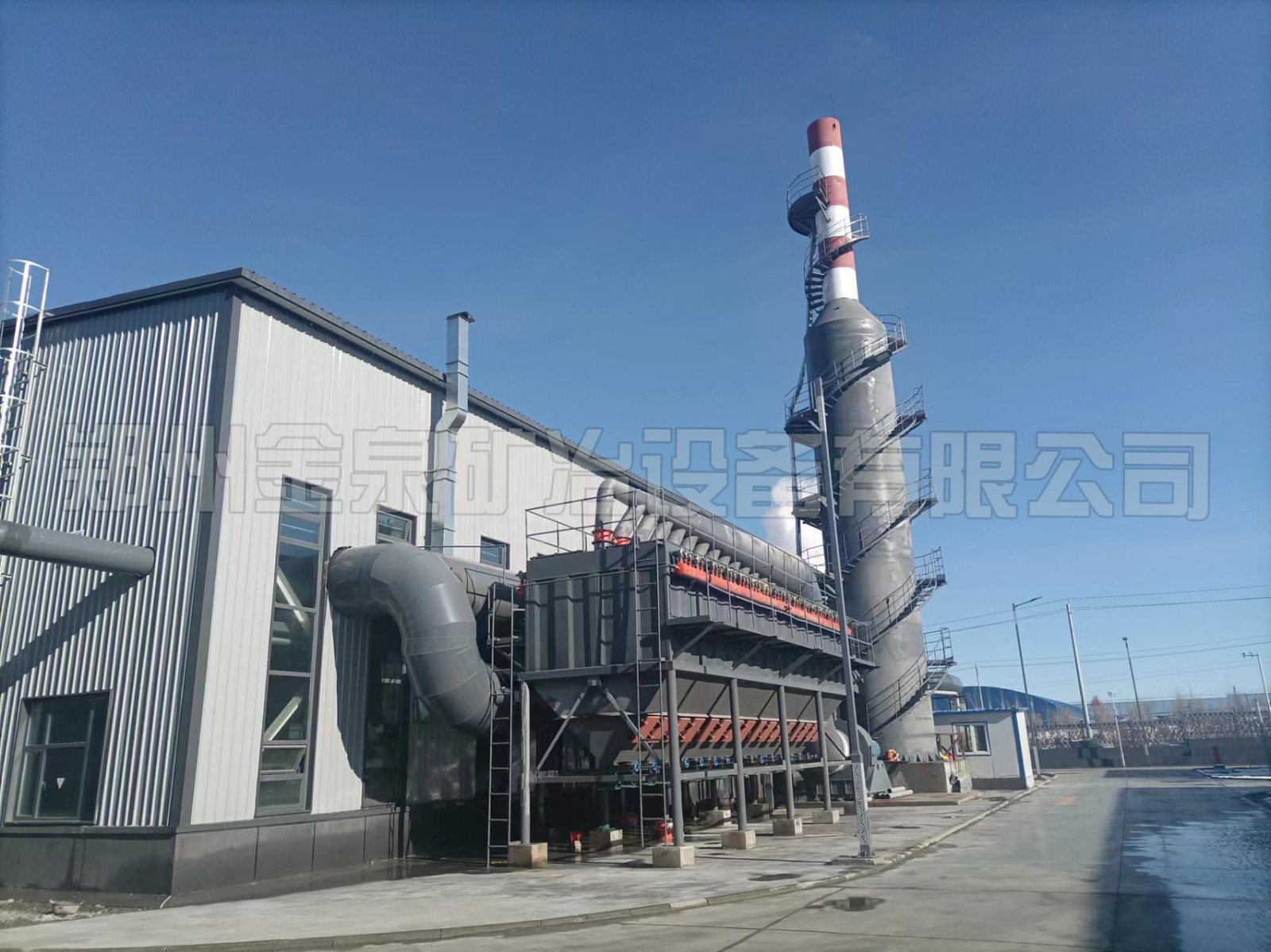 Pyrometallurgical Smelting
The spent three-way catalysts are first ball-milled into fine powder, then mixed with lead flue dust and lead-silver slag for granulation. The obtained granules are fed into a blast furnace for smelting and enrichment, and the produced crude lead (lead bullion) is sent for cupellation, which yields a silver-palladium-platinum-rhodium alloy.
The alloy is leached with nitric acid to separate silver and palladium, which are then isolated from the nitric acid leachate via precipitation. The remaining undissolved residue is leached with aqua regia to separate platinum, which is subsequently extracted from the aqua regia leachate, while the aqua regia-insoluble residue is rhodium powder.
However, due to the relatively high content of platinum group metals (PGMs) in the spent three-way catalysts, the enrichment of PGMs via lead-silver capture is far from satisfactory, requiring two stages of enrichment and resulting in excessive PGM loss in the smelting slag. In addition, the enriched crude lead has an excessively high PGM grade, causing considerable PGM loss in lead oxide and cupellation slag during the cupellation process, which necessitates further enrichment and a subsequent secondary cupellation of the reprocessed crude lead.
Overall, this method has the drawbacks of long process flow, lengthy production cycle, heavy polluti
-
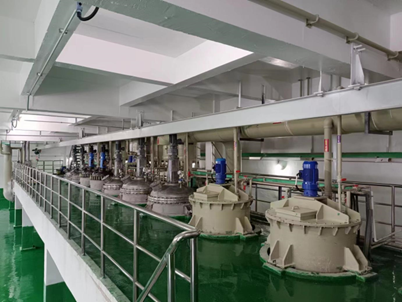 Hydrometallurgy for Three-Way Catalysts
The main components of three-way catalysts are as follows: alumina (Al₂O₃) accounts for over 98%, with a palladium (Pd) content of 3000–10000 g/t, platinum (Pt) content of 150–10000 g/t, and rhodium (Rh) content of 150–600 g/t.
The process proceeds as follows: the three-way catalyst is first ball-milled into powder, fed into a reaction vessel, and leached via the aqueous chlorination method in a hydrochloric acid medium; the obtained leachate is then treated via the sodium nitrite complexation process.
This process has multiple drawbacks: it requires secondary leaching, and an excessive volume of leachate will impair the recovery efficiency of precious metals. The leaching residue suffers from incomplete leaching, making it economically unviable to recover valuable components from the residue. The overall process is lengthy and cumbersome: the sodium nitrite complexation step requires multiple cycles to separate platinum, palladium and rhodium, leading to high labor intensity, high reagent costs, and large volumes of waste gas and wastewater. During the hydrolysis of base metals, precious metals are easily entrained in the hydrolysis products. During the separation of Pt, Pd and Rh, the obtained Pt and Pd fractions are often entrained with Rh, while the Rh product contains residual Pt and Pd. The process is difficult to regulate and poses high operational difficulty.
Although this method can directly recover and separate Pt, Pd and Rh, it suffers from low recovery rates, high costs, and a heavy workload for waste gas and wastewater treatment, which is not conducive to environmental protection.
-
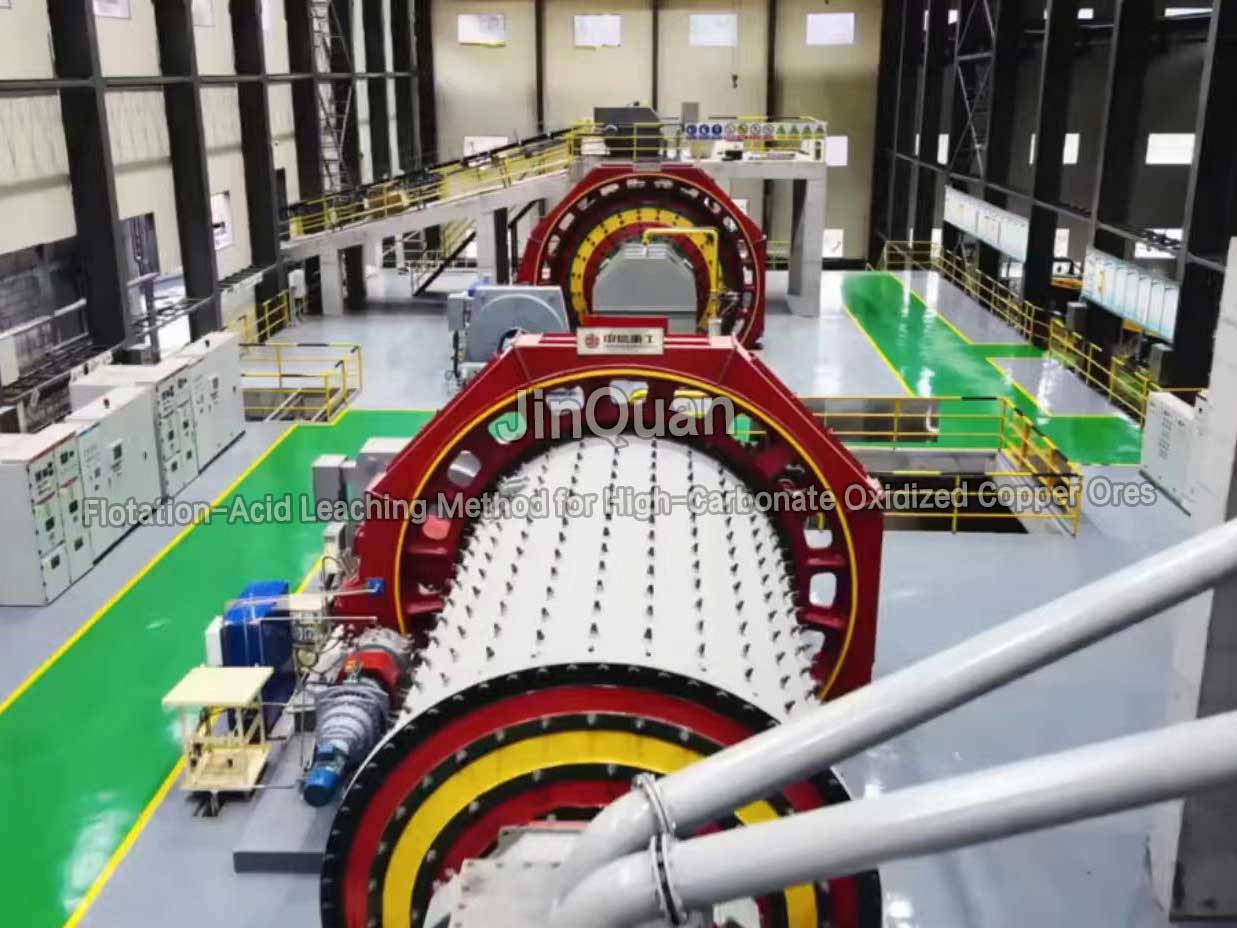 Refractory Copper Oxide Ores
The sulfuric acid curing pretreatment method for refractory copper oxide ores falls within the technical field of metallurgy (for patent scenarios, it is recommended to replace this phrase with pertains to the technical field of metallurgy to align with standard patent writing conventions). The process is as follows: Refractory copper oxide ore, water and concentrated sulfuric acid are fed into a pelletizer in a prescribed proportion. The reaction between water, concentrated sulfuric acid and the ore liberates copper from gangue or other associated minerals, fulfilling the dual purposes of separating copper from other valuable metals and gangue minerals, as well as loosening the structure of the refractory copper oxide ore to increase its porosity.
This pretreatment method significantly improves the technical and economic indicators of heap leaching, thereby achieving a substantial increase in copper leaching rate, recovery rate and resource utilization efficiency, while reducing production costs.
-
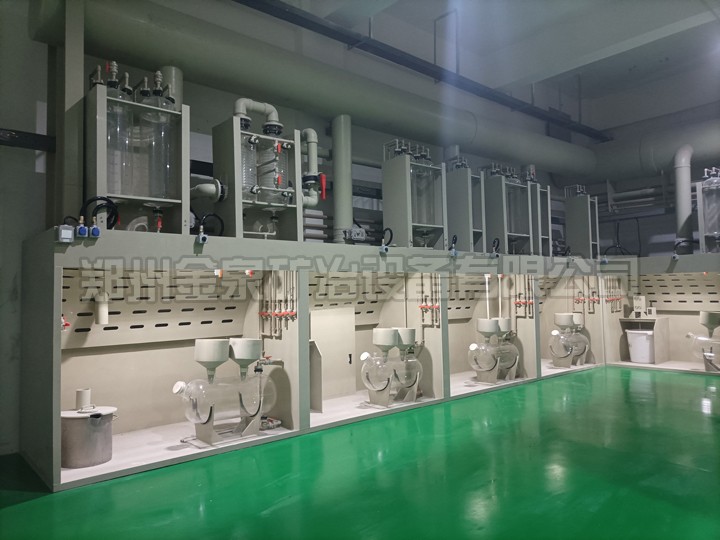 recovering precious metals from three-way catalysts
The main components of three-way catalysts (TWCs) are as follows: aluminum oxide (Al₂O₃) accounts for over 98% of the total mass, with palladium (Pd) content ranging from 3000 to 10000 grams per ton of catalyst, platinum (Pt) at 150–1000 g/t, and rhodium (Rh) at 150–600 g/t.
There are generally two conventional processes for recovering rare and precious metals from spent (deactivated) three-way catalysts in existing industrial technologies:
1、Pyrometallurgical Process: The spent TWCs are first ball-milled into powder, mixed with lead fume dust and lead-silver slag for granulation, then charged into a blast furnace for smelting and enrichment to obtain crude lead. The crude lead then undergoes cupellation, which yields a Ag-Pd-Pt-Rh alloy. Next, silver and palladium are dissolved from the alloy using nitric acid, and the two metals are separated from the leachate via precipitation. The remaining undissolved solid is treated with aqua regia to leach platinum, which is subsequently extracted from the solution, while the solid residue insoluble in aqua regia is rhodium powder.
2、Hydrometallurgical Process: The spent TWCs are ball-milled into powder and fed into a reaction kettle, where leaching is carried out via aqueous chlorination in a hydrochloric acid medium, and the obtained leachate is processed using the sodium nitrite complexation method.
-
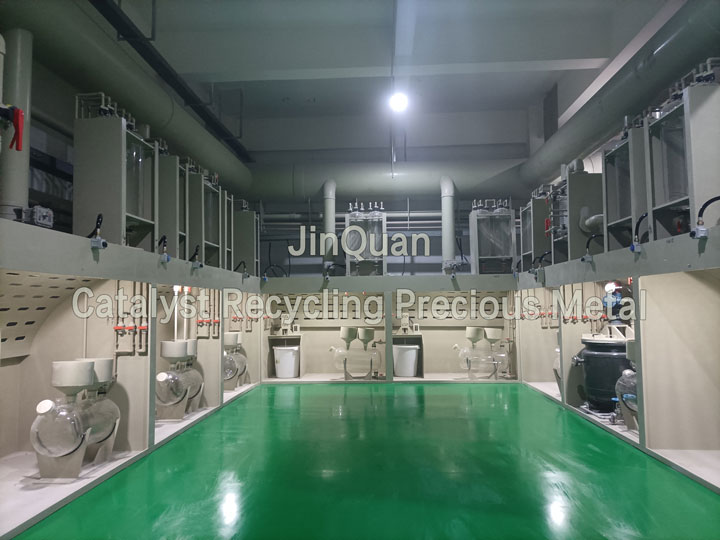 Recovering Precious Metals from Spent Automotive Catalysts
This invention falls within the field of comprehensive utilization of precious metal secondary resources, and specifically relates to a method for recovering precious metals from spent automotive catalysts via a hydrometallurgical dissolution - stripping activation - hydrometallurgical dissolution process, which addresses the technical challenge of precious metal recovery from spent automotive catalysts.
The method is implemented through the following steps:
(1) Ball milling: Spent three-way catalysts (TWCs) are ball-milled to 200 mesh in a ball mill. Sampling and assay show the precious metal contents are 100–300 ppm platinum (Pt), 1500–2500 ppm palladium (Pd), and 100–300 ppm rhodium (Rh);
(2) Aqueous chlorination;
(3) Filtration;
(4) Stripping activation;
(5) Dissolution;
(6) Filtration;
(7) Iron powder reduction;
(8) Refining of platinum, palladium and rhodium.
The method has the following advantages:
It delivers high precious metal recovery rates, with platinum recovery exceeding 97%, palladium recovery exceeding 98.5%, and rhodium recovery exceeding 95%; it boasts a short production cycle and remarkable economic benefits; it is easy to operate, convenient for industrial scale-up, and features a more eco-friendly production process.
-
 Low-Grade Gold Ore
Heap Leaching Process for Low-Grade Gold Ore Based on High Pressure Grinding Roll Comminution
This heap leaching process for low-grade gold ore based on high pressure grinding roll (HPGR) comminution falls under the technical field of metallurgy, and is implemented in accordance with the following steps:
① The run-of-mine (ROM) gold ore is first subjected to open-circuit coarse crushing, and all coarse crushed products are fed into the secondary crushing system, followed by classification via a vibrating screen. Coarse oversize materials are returned to the secondary crushing equipment for further comminution, while undersize materials with qualified particle size are delivered into the HPGR.
② The HPGR performs open-circuit fine crushing, and the crushed products are treated through the combined operation of a wet vibrating screen and classification equipment. The finer overflow product is fed into the all-slime cyanidation leaching system, while the underflow (settled sand) and coarse-grained materials are mixed with an appropriate amount of lime for alkali adjustment, then transported to the leach pad for heap construction, realizing the classified leaching process for gold ore materials.
③ Upon completion of leaching, gold-bearing pregnant solution and tailings are obtained.
This process adopts HPGR open-circuit fine crushing, whose crushed products feature finer particle size and abundant surface microcracks. It can significantly improve the gold leaching rate, reduce the consumption of leaching agents, and shorten the heap leaching cycle. While the heap leaching operation is carried out, the fine-grained classified products are also recovered simultaneously.
-
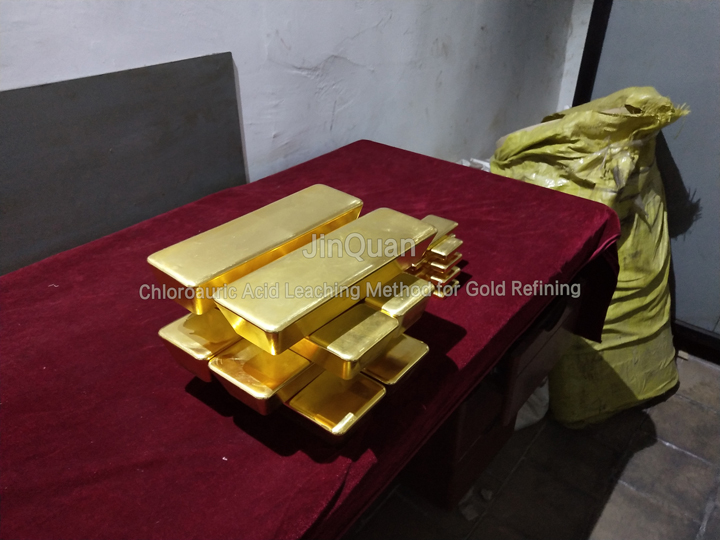 Recovering Gold from Gold Iodide Waste Liquor
The process comprises the following steps: preparation of a mixed system of sodium iodate, sodium iodide and water; production of complex salts of Au(I) and Au(I₃) under the action of the as-prepared mixed solution and a co-oxidant; extraction of crude gold powder; and purification to obtain refined gold powder.
Compared with the prior art, the gold iodide leaching method adopted in this process significantly improves the extraction recovery and purity of the recovered gold. Meanwhile, the process features simple operation, low environmental risk of the involved chemicals, and low cost, thus reducing production cost and improving production efficiency. Furthermore, iodine can be recycled and reused in the process, which further cuts production costs.
-
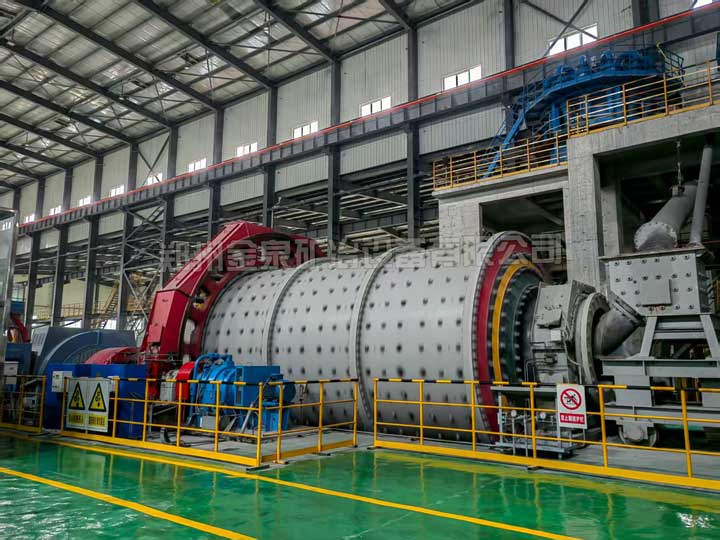 Pollution-Free Smelting Process
The lead-bearing gold concentrates are treated with the independently developed crystallization washing technology, which enables hydrometallurgical separation of impurities including lead, iron and sulfur during gold smelting and extraction. This process features innovative and unique design, strong adaptability, and wide applicability for refining lead-bearing concentrates (including middlings) obtained from Knelson gravity concentration. It also provides high reference value for the processing of other lead-bearing concentrates.
An increasing number of domestic gold mining enterprises in China have adopted the Knelson gravity concentration process. At present, most Knelson gravity concentrates are processed via pyrometallurgical smelting, which is associated with harsh working conditions and high risk of lead poisoning. The application of this new process can thoroughly address the lead pollution problem, thus filling the domestic gap in this technical field.
-
 Gold-Bearing Waste
Process for Comprehensive Recovery of Precious and Rare Metals (Gold, Silver, Platinum and Palladium) from Gold-Bearing Waste
This process is implemented as follows:
Gold-bearing waste is first roasted in a rotary kiln, after which copper, bismuth and other impurities are leached out using sulfuric acid, industrial salt and sodium chlorate. Copper and bismuth in the primary leachate are recovered separately with caustic soda and soda ash.
The primary leaching residue is then leached with hydrochloric acid (or sulfuric acid) and sodium chlorate to obtain secondary leaching residue and a gold-, platinum- and palladium-bearing solution. Silver remains in the secondary leaching residue and is enriched therein.
After the pH of the gold-, platinum- and palladium-bearing solution is adjusted by adding soda ash, anhydrous sodium sulfite is dosed into the solution. Precipitation and filtration are then carried out to produce sponge gold and a platinum- and palladium-bearing solution.
Zinc powder is added to the platinum- and palladium-bearing solution, and platinum-palladium sludge and wastewater are obtained after further precipitation and filtration. Palladium powder and platinum powder are finally produced via conventional platinum and palladium extraction processes.
The present invention can address the common defects of traditional processes, including severe environmental pollution, low direct recovery rate, slow capital turnover and low labor productivity.