-
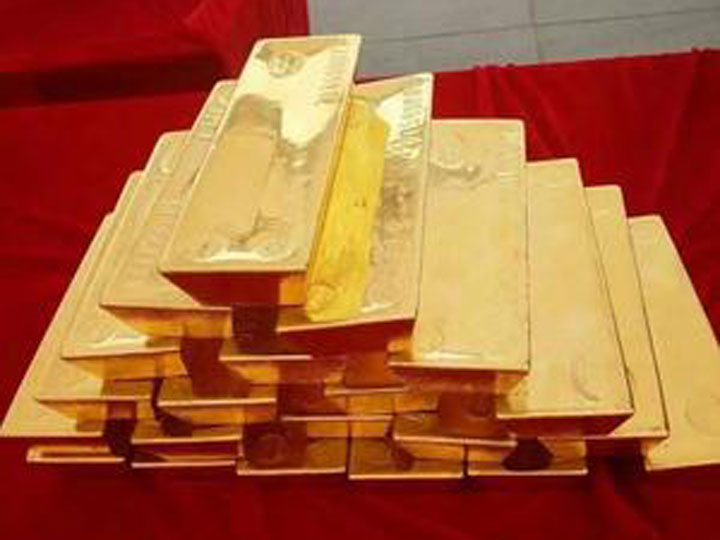 Extracting Elemental Gold from Gold-Bearing Waste
The specific process is as follows: First, crush and grind the gold-bearing waste into powder, then dissolve the powder in aqua regia solution. Next, add an alkaline solution to neutralize the pH of the mixed system, and filter out the precipitates. Add ATRZ solution to the obtained clear and transparent solution containing chloroaurate ions. After stirring, collect the produced solid precipitate through filtration, wash it with water and dry it to obtain an intermediate product.
Add water to the intermediate product, heat the mixture under stirring, then add concentrated hydrochloric acid dropwise for reaction to finally obtain elemental gold. This method has the advantages of simple operation, rapid extraction process and extremely high extraction efficiency.
-
 High-Oxidation-Rate Complex Copper Ore
Beneficiation Method for High-Oxidation-Rate Complex Copper Ore Containing Paragenetic and Associated Metals:
This method comprises the following steps: grinding the run-of-mine ore and conditioning it into Pulp 1; subjecting Pulp 1 to copper sulfide flotation to obtain Copper Sulfide Concentrate 1, copper sulfide middlings and copper sulfide tailings; subjecting the copper sulfide tailings to copper oxide flotation to obtain Copper Oxide Concentrate 1, copper oxide middlings and copper oxide tailings; and separately cleaning the copper sulfide middlings and copper oxide middlings to obtain Copper Sulfide Concentrate 2 and Copper Oxide Concentrate 2 respectively.
Through separate treatment of the middlings, both high-grade and low-grade copper sulfide concentrates, as well as high-grade and low-grade copper oxide concentrates, are produced. By sorting the high-grade and low-grade copper sulfide and copper oxide concentrates, the subsequent metallurgical process flowsheet is simplified, copper recovery is improved, the recovery of paragenetic and associated metal resources (especially precious metals) is enhanced, production costs are reduced, and economic benefits are boosted.
-
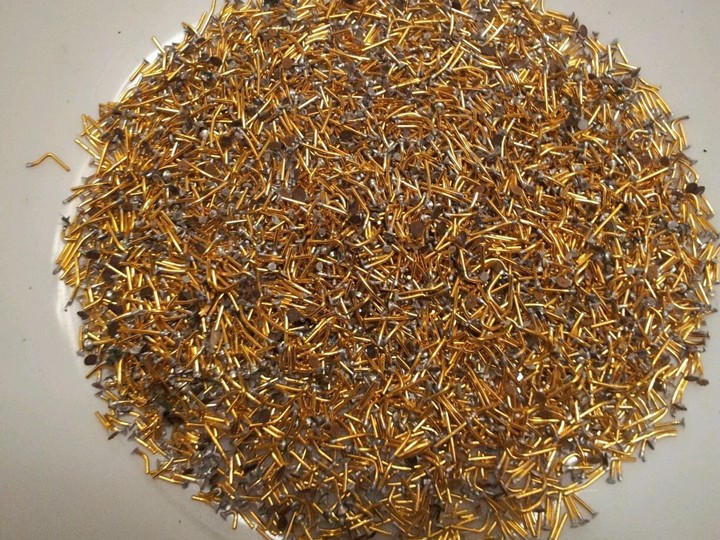 separation methods for gold-silver alloys
Gold-silver alloys can be separated via chemical methods and electrolytic methods. Chemical methods include the chlorination process, nitric acid decomposition process and sulfuric acid decomposition process.
(1) The chlorination process is based on the difference in chemical affinity between different metals and chlorine. It selectively chlorinates impurity metals respectively, and separates gold, silver and impurities by controlling the temperature within an appropriate range, leveraging the different melting and boiling points of various metal chlorides. Although simple to operate, this method causes environmental pollution and yields gold and silver with low purity, so it is rarely applied in industrial production.
(2) The nitric acid decomposition process separates gold-silver alloys based on the principle that under the action of concentrated nitric acid, silver and other heavy metal impurities dissolve in nitric acid, while only gold remains insoluble. This method has drawbacks including high cost of nitric acid and environmental pollution, making it unsuitable for large-scale application.
(3) The sulfuric acid decomposition process achieves the separation of gold, silver and other impurities based on the principle that silver and other impurity elements in gold-silver alloys are readily soluble in hot concentrated sulfuric acid, whereas gold is insoluble.
(4) The electrolytic method is carried out in two steps: In the first step, the alloy is used as the anode for electrolysis, where electrolytic silver is obtained at the cathode, and gold is enriched in the anode slime (a standard term for by-products of electrolytic refining in metallurgy). In the second step, the anode slime is melted and cast into an anode for secondary electrolysis, and electrolytic gold is obtained at the cathode.
-
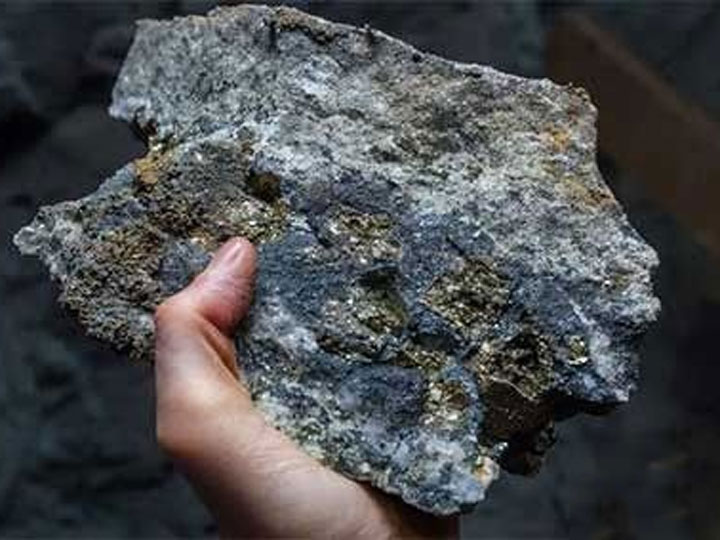 Extracting Gold from Low-Grade Gold Ore
The specific steps are as follows:
a. Gold ore pretreatment: Remove impurities such as clay and silt from the surface of the mined gold ore, then crush and screen the ore. Select ore fractions with a particle size of less than 70 mm, mix them with slaked lime at a specified proportion, and stir thoroughly to obtain a mixture, which is then piled up to form an ore heap.
b. Preparation of infiltration agent: Adjust the pH of the solvent to 10-12 to obtain an alkaline solution, and add sodium cyanide to prepare the infiltration agent.
c. Spraying: Spray the infiltration agent onto the ore heap continuously to collect the pregnant solution (gold-bearing leachate).
d. Collection of gold-loaded carbon: Pump the pregnant solution into an adsorption column packed with activated carbon. The gold-bearing complexes in the pregnant solution are adsorbed by the activated carbon, yielding gold-loaded carbon and barren solution with low gold content. The barren solution is recycled and treated before being reused in steps b, c and d.
e. Extraction of elemental gold: The gold-loaded carbon obtained in step d is processed to extract elemental gold.
-
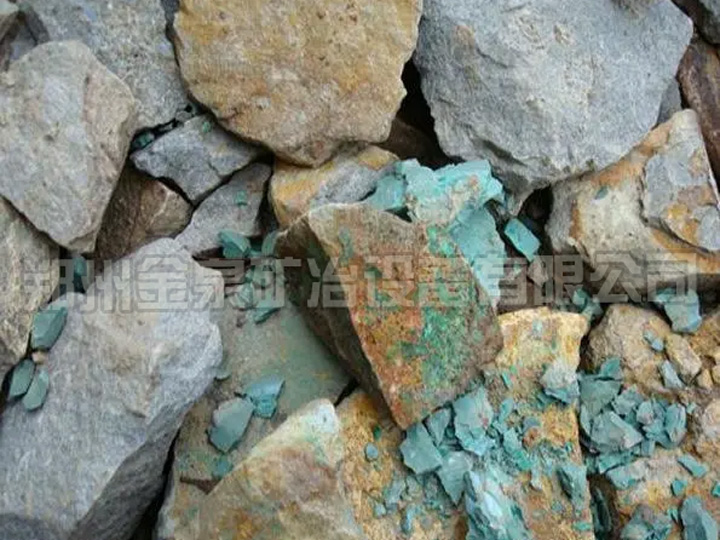 Low-Grade Copper Oxide Ores
The flotation-acid leaching process for complex low-grade copper oxide ores comprises the following steps:
The raw low-grade copper oxide ore is crushed, ground, and prepared into ore pulp;
Flotation reagents are added to the above ore pulp, and one stage of roughing and one stage of scavenging are conducted to obtain copper oxide concentrate and tailings;
The obtained copper oxide concentrate is prepared into ore pulp, then concentrated sulfuric acid is added for leaching under agitation. Solid-liquid separation is performed afterwards to produce copper-bearing leachate and leaching residue.
This process integrates flotation and acid leaching to treat low-grade copper oxide ores. The low-grade copper oxide ore is subjected to one-stage roughing and one-stage scavenging flotation in the presence of a sulfidizing agent, which realizes the preliminary separation of high acid-consuming silicate and carbonate minerals (including chlorite, dolomite, talc, etc.) from copper sulfide minerals in the ore. Combined with the subsequent acid leaching process, copper leaching can be achieved at a relatively low acid consumption. This process overcomes the defects of existing technologies for copper enrichment from low-grade copper oxide ores, such as complex process flow, high reagent consumption and high production cost.
-
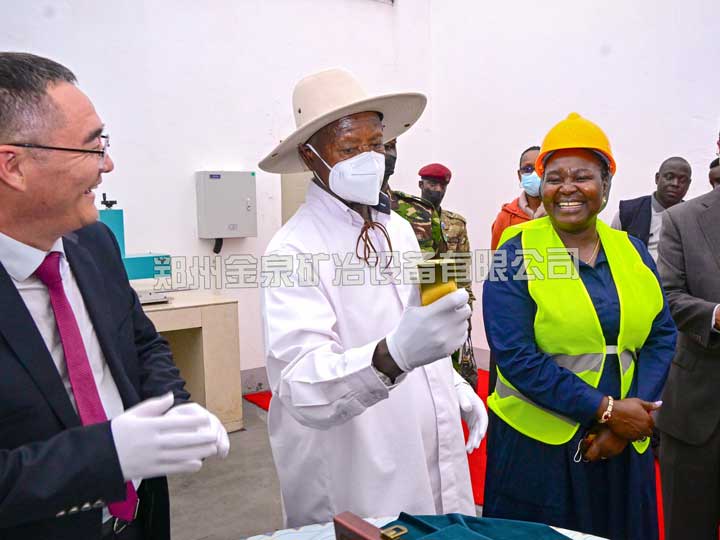 Beneficiation Method for Gold Ore
The beneficiation method for gold ore comprises the following steps: classify gold-bearing minerals to obtain a coarse fraction and a fine fraction; sequentially subject the coarse fraction to sluice rougher separation and shaking table cleaning separation to obtain Concentrate A; process the fine fraction via flotation to obtain Concentrate B, and mix Concentrate A and Concentrate B to produce gold concentrate.
The collector used in the flotation process consists of the following components in parts by mass: 25-35 parts of mercaptobenzothiazole, 5-10 parts of ammonium dibutyl dithiophosphate, 3-5 parts of soluble alkali, 0.3-1 part of fatty alcohol polyoxyethylene ether, and 55-60 parts of solvent.
By adopting the gravity-flotation combined process flow for ore treatment, this method recovers coarse-grained gold through gravity separation, and recovers fine-grained and micro-fine-grained gold through flotation. It effectively addresses the difficulties in beneficiation and recovery of gold with different grain sizes (coarse, fine and micro-fine), realizes highly efficient recovery of gold minerals, and delivers a relatively high gold recovery rate.
-
 glutenite copper ore
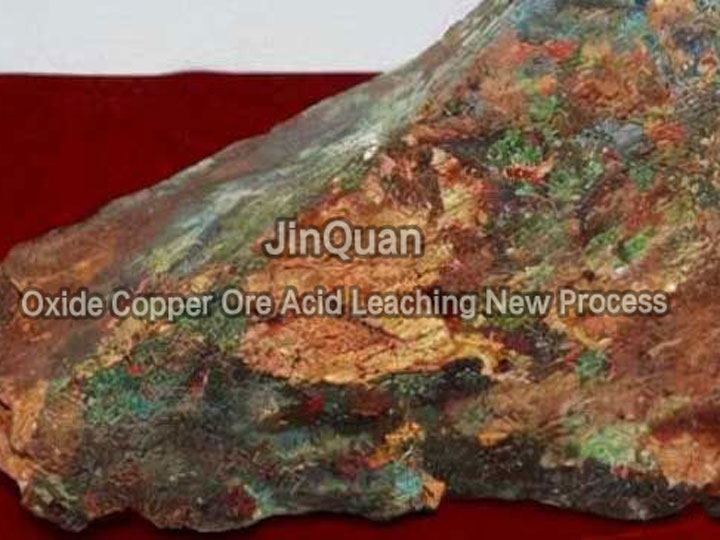
producing cathode copper from refractory glutenite copper ore, which falls under the technical field of metallurgy.
This method prepares cathode copper by subjecting the refractory glutenite copper ore to sequential processes: crushing and granulation, curing treatment, heap leaching, solvent extraction and electrowinning. Prior to the heap leaching process, raw ore particles are treated with sulfation curing pretreatment. The pretreatment not only enables copper to be dissociated from gangue and other associated minerals, but also achieves the effect of loosening the ore structure and increasing its porosity, which facilitates the heap leaching process, raises the leaching rate by 10% to 20%, and creates favorable conditions for subsequent cathode copper production.
The cathode copper produced by this method features high purity and large output. The method effectively improves the copper leaching rate and recovery rate of refractory glutenite copper ore, realizes more efficient utilization of mineral resources, and boosts economic benefits.
-
 Copper Sulfide Ore
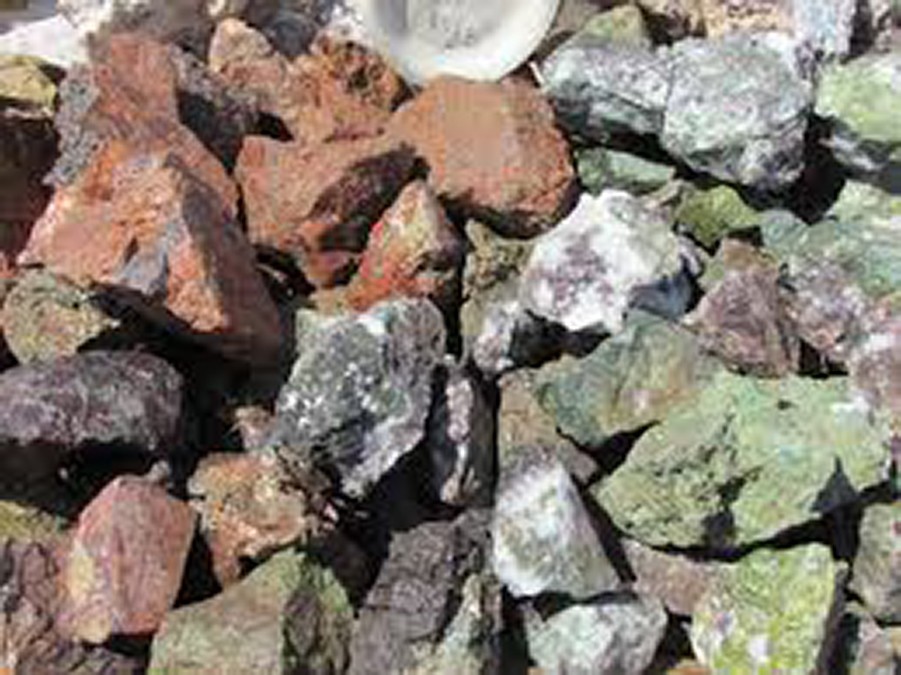
The method for recovering copper from copper sulfide ore comprises the following steps:
(1) Grind the copper ore into 100-120 mesh using a ball mill;
(2) Put the ground copper ore into an agitation tank, and add hydrochloric acid, sulfuric acid, nitric acid, water and reagents to carry out chlorination reaction;
(3) Perform solid-liquid separation on the reacted solution obtained in step (2) to obtain a copper chloride solution and filter residue;
(4) Pump the copper chloride solution into an electrolytic cell for electrolysis, add a flocculant, and control the voltage, current amount and copper concentration to deposit copper in the electrolyte on the cathode plate;
(5) Return the circulating solution after copper recovery to the leaching process.
The whole process of the present invention is rationally designed, with low energy consumption and cost, and high dissolution leaching rate and electrolytic recovery rate of copper from copper ore. Experiments show that the copper recovery rate is over 95%, which enables comprehensive utilization of copper resources. It is applicable to both low-grade and high-grade copper ores, can reduce environmental pollution, protect the environment, and is of great significance.
-
 Low-Grade High-Mud Copper Oxide Ore
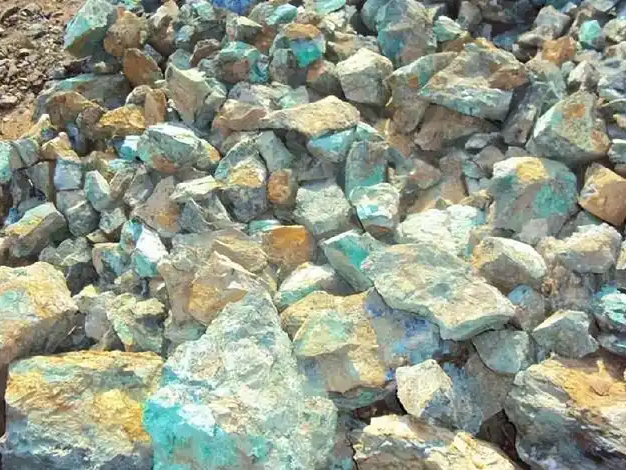
This process involves the following steps:
1、Run-of-mine ore undergoes crushing and screening. The +50mm particle size fraction is transported to the stockyard for heap construction, while the -50mm fraction is subjected to acidic ore washing treatment.
2、Sulfuric acid is added to the washing solution to remove part of the alkaline gangue during ore washing. After solid-liquid separation and precipitation of the washing solution, the acid solution is recycled for reuse.
3、After treatment in the acidic ore washing system, the +0.074mm sand fraction is conveyed to the stockyard for heap construction, and the -0.074mm mud fraction is sent to the agitation leaching section.
4、The agitation leaching solution is combined with the heap leaching solution, then fed into the solvent extraction and electrowinning (SX-EW) process, ultimately yielding cathode copper products.
This process boasts advantages including short flow, simple equipment, low investment, low operating cost, and minimal environmental impact. It further resolves issues such as poor permeability in heap leaching and low copper leaching rate caused by the presence of mud and the dissolution-precipitation of alkaline gangue. It improves copper recovery efficiency and enables the comprehensive utilization of high-mud low-grade copper oxide ore resources.