-
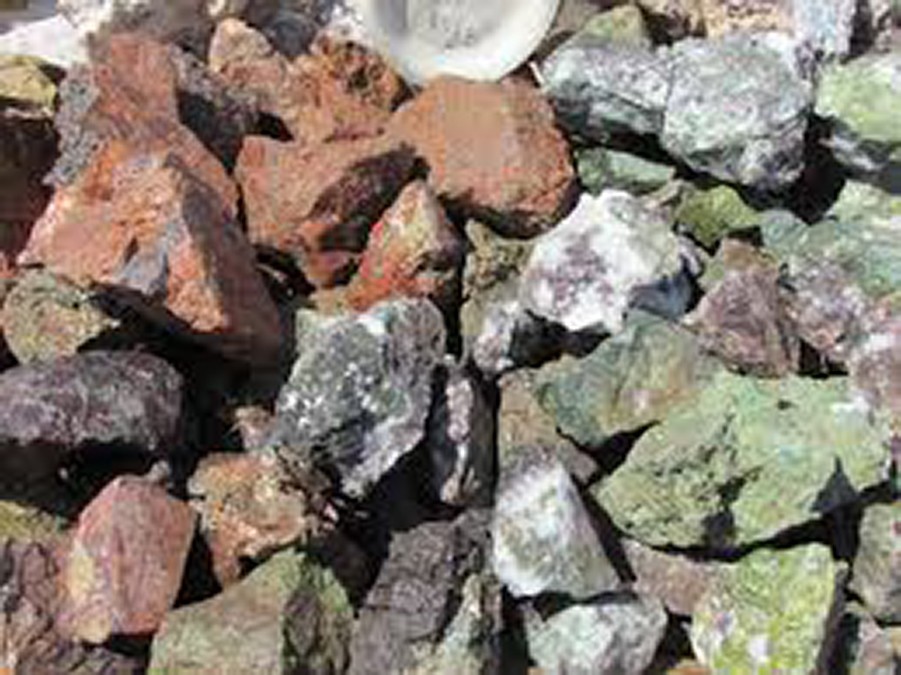 Flotation-Acid Leaching Process
The flotation-acid leaching process for high-carbonate copper oxide ore operates as follows: After the ore is ground to a specified fineness, sulfidization flotation is conducted using a combined collector to remove acid-consuming carbonate gangue. The obtained rough concentrate is then leached under preset conditions to produce copper sulfate solution.
This process can effectively eliminate acid-consuming carbonate gangue from raw ore, cut the acid consumption of hydrometallurgical leaching for high-carbonate copper oxide ore by more than 70%, and guarantee an overall copper recovery rate of no less than 85%. It reduces production costs and the required investment scale of hydrometallurgical plants, boasts a flexible and easy-to-control process flow, and is suitable for large-scale industrial application.
-
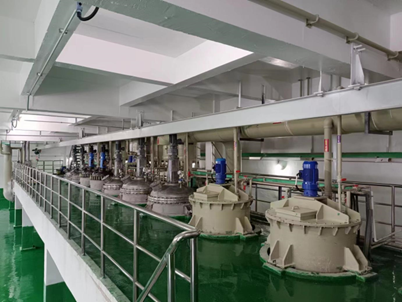 Enriching Precious Metals
This method covers multiple process steps: chlorine removal with hydrogen peroxide and sodium sulfate, copper removal via solvent extraction and stripping, precious metal enrichment through zinc powder cementation, impurity removal by lime neutralization, and zinc precipitation via neutralization with sodium carbonate and sodium bicarbonate.
Compared with existing technologies, this method adopts a hydrometallurgical cementation process, which greatly reduces the large amount of waste gas and dust generated in conventional pyrometallurgical treatment. Meanwhile, copper is recovered in the form of copper sulfate; chlorine removal residue and neutralization residue are returned to the chlorination process for reuse; the post-cementation liquor and post-zinc-precipitation liquor are adjusted and regenerated before being sent back to the chlorination leaching process for cyclic utilization. All these designs reduce the discharge of solid waste and wastewater as well as lower production costs.
-
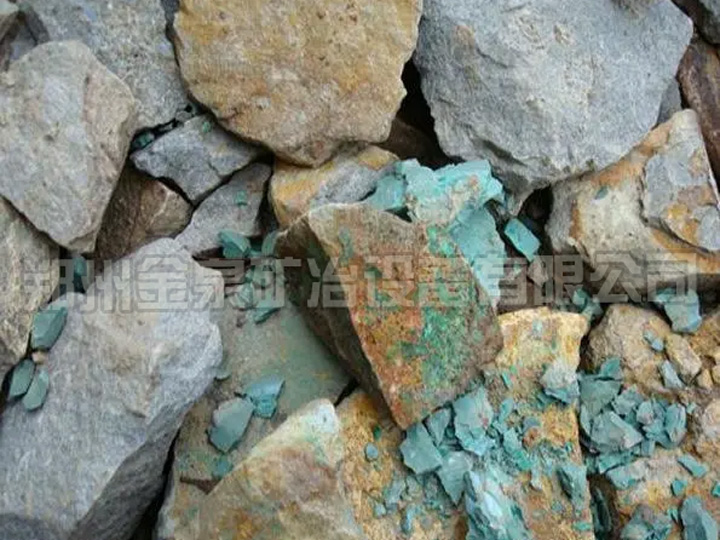 Leach Residue Flotation Process for Raw Copper Oxide Ore
Ammonia Leaching at Ambient Temperature and Pressure – Solvent Extraction – Electrowinning – Leach Residue Flotation Process for Raw Copper Oxide Ore
This process falls into the category of copper extraction processes from ores via hydrometallurgy and flotation, and is particularly applicable to copper recovery from low-grade raw copper oxide ore with high calcium and magnesium content.
This process adopts the low-cost ambient temperature and pressure ammonia leaching technology to dissolve copper oxide minerals in copper oxide ore. It combines the hydrometallurgical "ambient temperature and pressure ammonia leaching – solvent extraction – electrowinning" technology and flotation technology (a conventional mineral processing method) through optimized matching, and integrates them into a novel combined metallurgical-mineral processing flowsheet for treating high calcium-magnesium bearing copper oxide ore.
It abandons the high-temperature high-pressure or heated pressurized technologies that had to be employed in traditional ammonia leaching processes over the past decades to pursue high copper leaching rates. The process fully leverages the respective strengths of ammonia leaching for easy recovery of copper oxide minerals and flotation for easy recovery of copper sulfide minerals, reduces energy consumption and production cost, and features excellent operability and economic viability, making it easy to realize industrialization and large-scale production.
-
High-Iron-Bearing Precious Metal Alloys
In hydrometallurgical processes, feed materials are first converted into soluble substances with chemical solvents to facilitate subsequent separation and refining. Precious metals have extremely high chemical stability, which makes the dissolution of precious metal-bearing materials a persistent challenge in hydrometallurgy. For relatively high-grade platinum group metal (PGM)-bearing materials, the concentrated sulfuric acid digestion process is adopted to separate precious metals from base metals.
At present, the aqua regia dissolution method and the aqueous chlorination method are commonly used to dissolve precious metal-bearing materials in industrial production. However, the aqua regia dissolution method generates a large amount of nitrogen oxides (NOₓ), which causes environmental pollution. In addition, the process requires repeated evaporation to dryness to decompose nitro compounds, leading to cumbersome operating procedures.
-
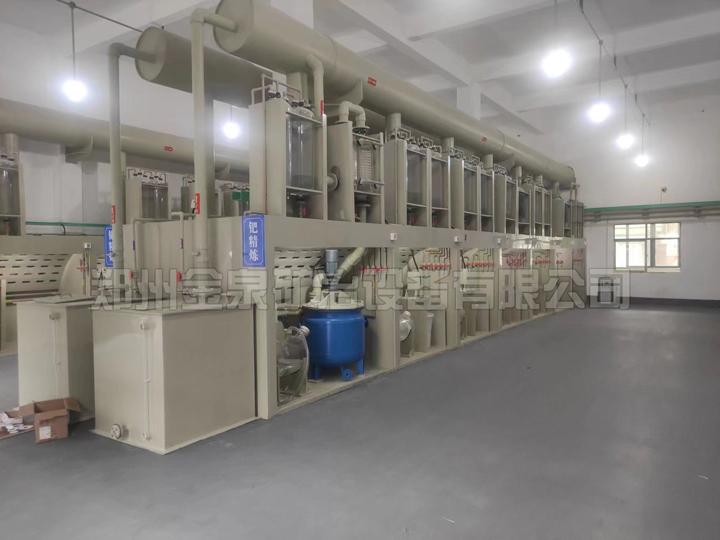 Platinum Refining Process and Process Conditions
1. Leaching
Platinum chlorination leaching is carried out under specific temperature and acidity conditions, with strong oxidants such as aqua regia and sodium chlorate (NaClO₃) as reactants. In this step, all base metals and precious metals are oxidized and dissolved into the solution, while silver forms silver chloride precipitate and remains in the solid residue. After the chlorination residue settles completely, filtration is performed, and the filter residue is washed with 3N hydrochloric acid until it turns colorless.
2. Neutralization
The leachate has a relatively high acidity. Sodium hydroxide (NaOH) is added to adjust the pH to 1, followed by filtration. The obtained filter residue is washed with hydrochloric acid pre-adjusted to pH 1 until no color remains.
3. Platinum Precipitation
At a specified temperature, ammonium chloride is added to the filtrate collected after neutralization and filtration until no more yellow precipitate is generated upon further addition of ammonium chloride. The feed solution is then rapidly cooled to room temperature, left to stand for clarification, and filtered afterwards. The filter residue is washed 2 to 3 times with 10% ammonium chloride solution at ambient temperature.
4. Roasting
Note: An obvious input typo is present in the original Chinese text. The mistyped term in the original actually refers to ammonium chloroplatinate, the solid precipitate collected from the platinum precipitation step.
The ammonium chloroplatinate is placed in a muffle furnace for roasting. Under high temperature, ammonium chloroplatinate decomposes into light gray platinum sponge. After being taken out, the platinum sponge is ground, and then subjected to repeated processes including chlorination, neutralization, oxalic acid-based gold removal, ammonium chloride platinum precipitation, and roasting. The above purification procedures are repeated several times until platinum powder with relatively high purity is obtained.
-
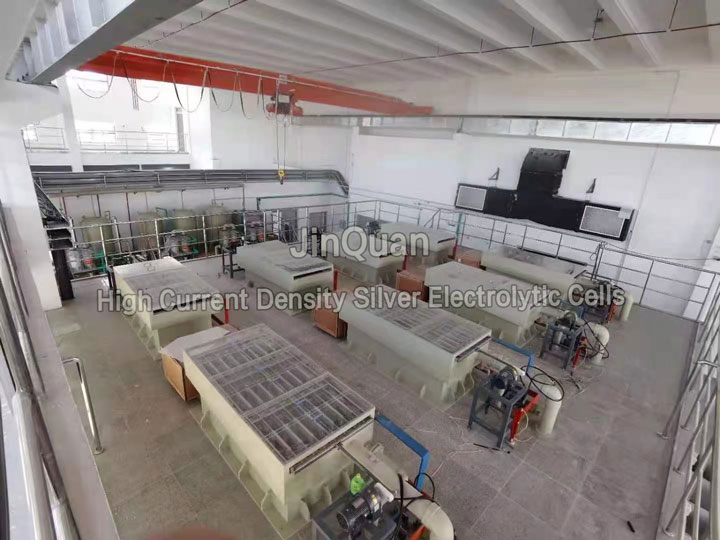 impurities during silver electrorefining
Answer:During silver electrolysis, the behaviors of impurities are categorized as follows based on differences in the properties and action characteristics of various elements:
(1) Metals with more negative electrode potential than silver: All such impurities may dissolve during electrolysis. Representative metals include lead, antimony, arsenic, bismuth, copper, etc. After entering the electrolyte, these impurities will gradually accumulate, contaminating the electrolyte, consuming nitric acid, and reducing the electrical conductivity of the electrolyte.
(2) Metals with more positive electrode potential than silver: Such impurities do not undergo electrochemical dissolution, but remain in solid state and enter the silver anode slime. Representative metals include gold and platinum group metals (PGMs). When their content is low, they pose no adverse effect on silver electrorefining; however, when their content is excessively high, they will be retained on the anode surface, hindering the dissolution of silver from the anode, and even causing anode passivation, which elevates the electrode potential of silver and disrupts the normal operation of electrolysis.
(3) Metals existing in the form of compounds, such as Ag₂Te (silver telluride), Ag₂Se (silver selenide), Cu₂Te (copper telluride) and Cu₂Se (copper selenide): Due to their extremely low electrochemical activity, they do not undergo electrochemical dissolution during electrolysis. As the anode dissolves, most of these compounds detach as solid particles and settle into the anode slime.
-
 Recovering Precious Metals
To address the key challenges of efficiently separating and recovering precious metals from waste printed circuit boards (WPCBs) and achieving a win-win outcome of economic and environmental benefits in the resource utilization of electronic waste, the following process is developed:
First, WPCBs are pulverized into particles via mechanical processing technology. The obtained particles are then separated into metallic and non-metallic fractions under the action of a high-voltage electrostatic field. After that, two liquid phase separation systems are constructed successively for the recovered metallic fractions: the Fe-Cu high-temperature liquid phase separation system and the Cu-Pb relatively low-temperature liquid phase separation system.
Next, by leveraging the selective partitioning rule of components in the WPCB metallic fractions in the aforesaid liquid phase separation systems, base metals and other non-ferrous metals are separated with high efficiency, while nearly all precious metals are enriched in the Cu-rich phase.
Subsequently, hydrometallurgical technology is adopted to separate and recover precious metals from the small amount of Cu-rich materials loaded with highly concentrated precious metals. This process can significantly reduce the consumption of chemical reagents during the separation and recovery of multi-component metals, and mitigate the ecological and environmental hazards posed by electronic waste.
-
 Method for Extracting Gold from Gold Tailings
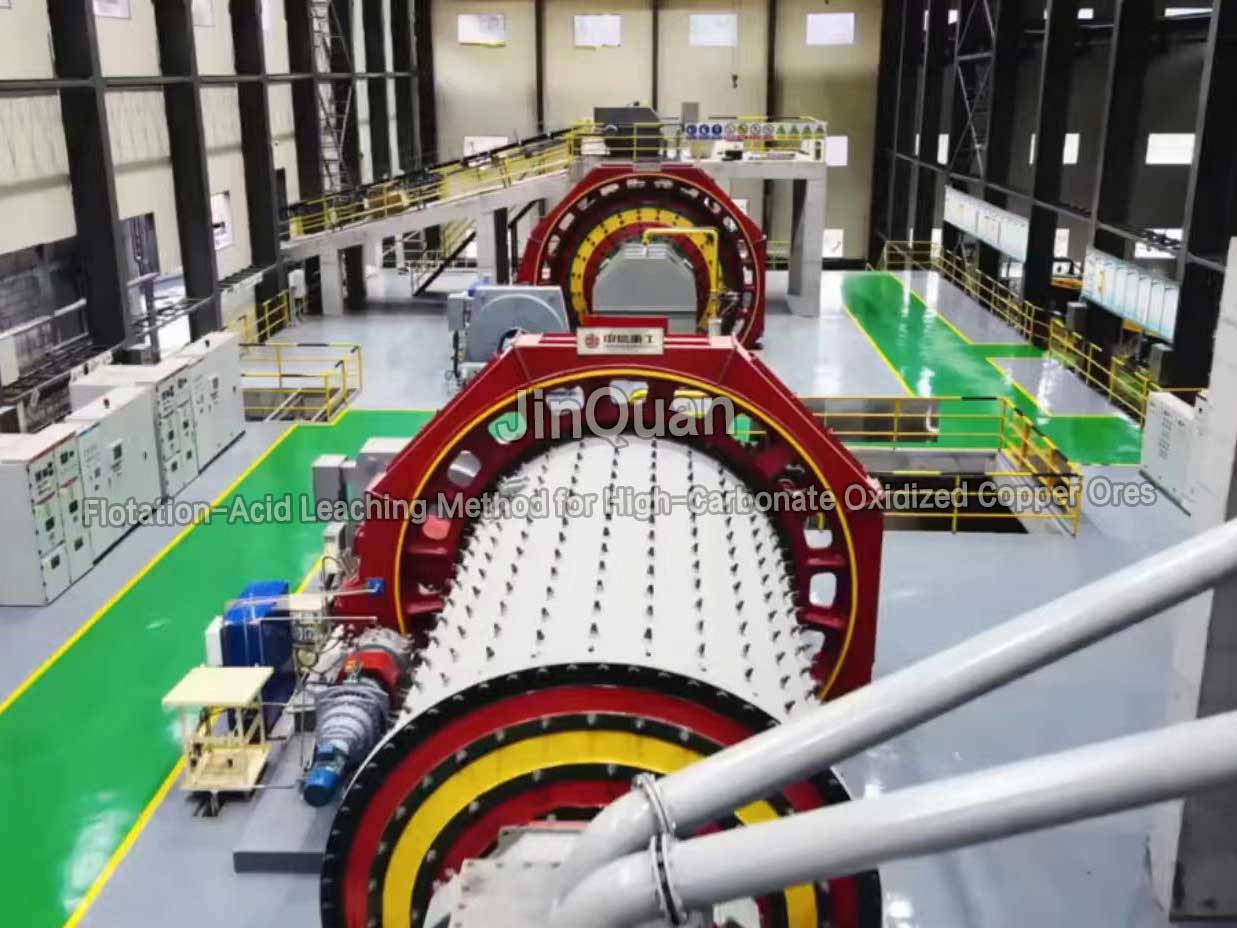
The method for extracting gold from gold tailings comprises the following steps:
1)Mix gold tailings sand with water to prepare ore pulp;
2)Subject the ore pulp to ultrafine treatment to reduce the particle size to below 2 μm. A chemical reagent containing functional groups capable of forming coordination compounds with gold ions can be added either before or during the ultrafine treatment, so that the chemical complexation reaction proceeds synchronously with the ultrafine treatment; alternatively, the chemical reagent can be added after the ultrafine treatment to allow sufficient complexation reaction to complete;
3)Carry out solid-liquid separation and retain the liquid phase, which contains gold complex ions.
This extraction method boasts mild operating conditions, low production cost, low reagent consumption, fast extraction speed, and an extraction rate as high as 98%. Furthermore, the solid residue left after extraction can be further used to produce ceramic tiles, mineral admixtures for concrete and lightweight hollow wall materials. After drying, it can also serve as a filler for rubber or plastics, thus realizing full reutilization of resources and turning waste into wealth.
-
 Recovering Rare And Precious Metals Via Hydrometallurgical
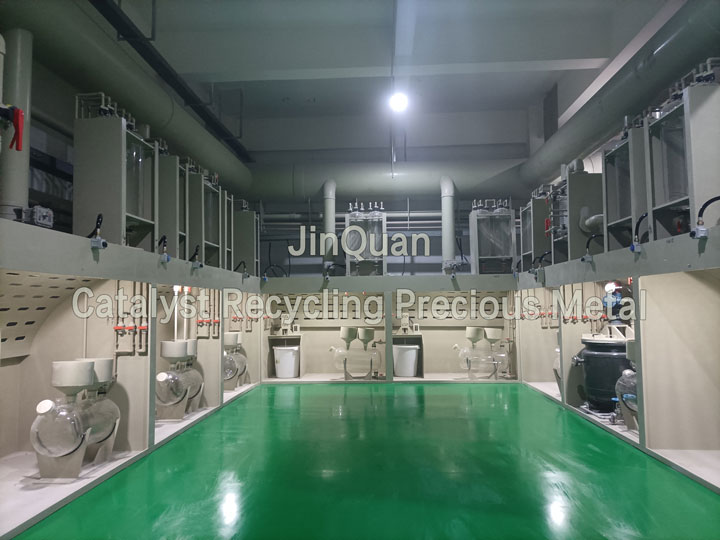
The process for recovering rare and precious metals via hydrometallurgical treatment of spent petrochemical catalysts falls into the technical field of hazardous waste treatment.
This process comprises a series of hydrometallurgical recovery procedures for rare and precious metals: slurrying, coarse grinding and ultrafine grinding leaching at ambient temperature, followed by subsequent steps including heated leaching, filtration and washing, platinum precipitation by cementation, and nickel recovery.
While improving the leaching efficiency of spent petrochemical catalysts, this process can shorten leaching duration, reduce energy consumption and lift the recovery rate of rare and precious metals. Meanwhile, waste gas is effectively treated, water is recycled, and a sound production environment is guaranteed.