-
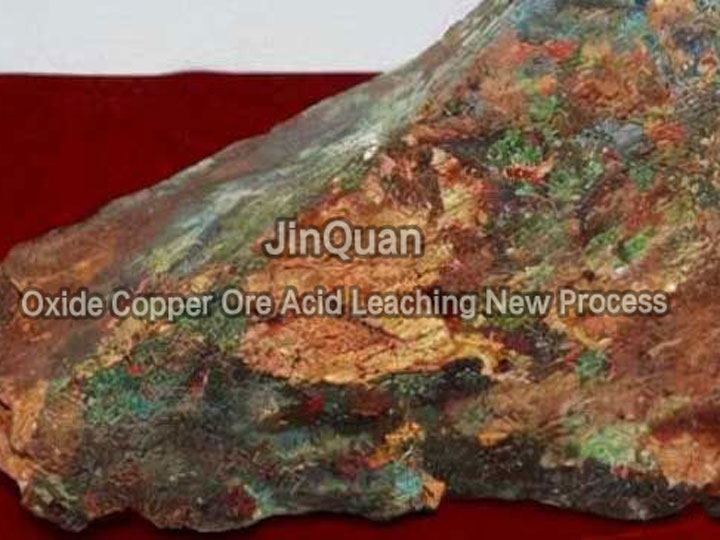 Oxide Copper Ore Acid Leaching New Process
Oxide Copper Ore Acid Leaching New Process
Following the crushing and screening of copper oxide ores, the oversize material undergoes conventional acid leaching. The undersize material is subjected to concentration, thickening, and pelletizing before being used for further heap leaching.
The pregnant leach solution rich in copper ions undergoes solvent extraction and electrorefining to produce marketable cathode copper.
After concentration of the undersized material, a binder is added to create slurry. This slurry is then mixed with preprepared 5mm-25mm diameter acid-resistant crushed stones to form pellets. The pelletizing heap leaching process involves building heaps approximately 3-5 meters in height. During leaching, the sulfuric acid concentration ranges from 0.1-2 mol/L, and the leaching cycle typically lasts for 1-2 months.
This method is particularly suited for copper ores dominated by oxide copper in areas such as remote regions of Western China, especially in high-altitude areas where copper ore processing is challenging.
-
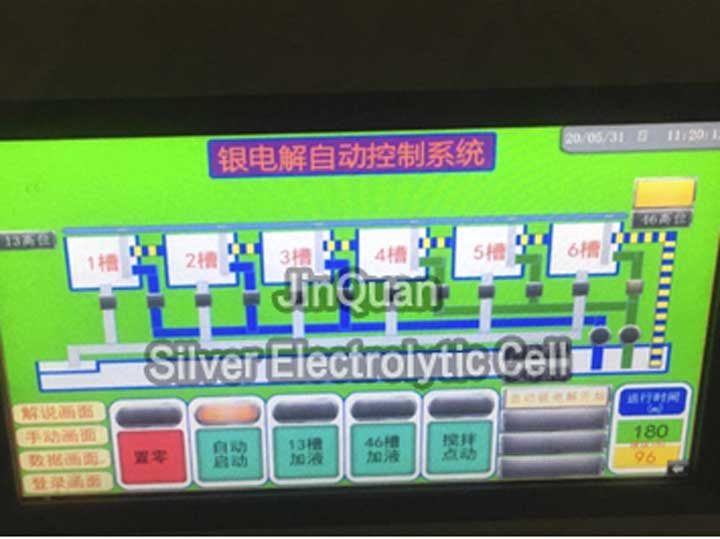 Automated Silver Electrolytic Cell
Automated Silver Electrolytic Cell
1、Touch Screen: The unit is equipped with a touch screen that displays and controls the operation of the electrolytic tank's stirring, recirculation pump, rectifier power supply, and circulating bath liquid levels. It also tracks the operating time of the electrolytic tank and sequences the steps using a PLC to ensure they are executed in order. The output bin requires manual preparation of the anode plates on the rack beforehand via a mounting rail located below the smoke hood. Human assistance is needed for precise positioning of the anode plates. Silver powder must be manually scooped out.
2、Operation Console: The console displays various parameters such as voltages, total voltage, currents, statuses of pipe fittings, and operation status of the silver powder washing pump.
3、Liquid Level Monitoring and Alarms Between Storage Tanks: The system monitors and alerts on liquid levels between storage tanks during the transfer process.
-
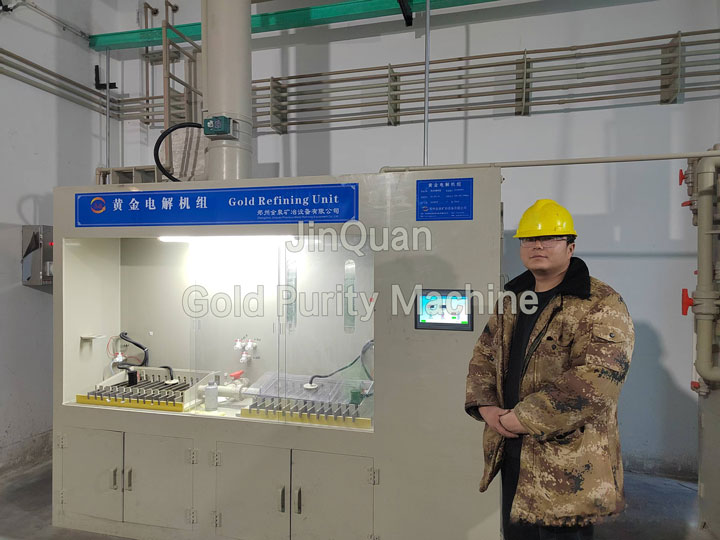 New Gold Electrolytic Refining Cell
Comparison Between New Gold Electrolytic Refining Cell and Traditional Electrolytic Refining Cell
1、Current Density: The traditional method operates at a current density of 300 A/m², while our new electrolytic refining method has achieved currents exceeding 1200 A/m².
2、Gold Concentration in Electrolyte: The traditional method has a gold concentration of 350 g/100 mL, whereas the new method reduces this to 100 g/100 mL.
3、Consumption of HCl:In terms of production efficiency and processing duration, the traditional method is relatively inefficient with lengthy processing times and significant evaporative losses of HCl.
The consumption of NaOH in acid gas absorption systems has also been reduced from approximately 10 tons per ton of gold to around 3 tons per ton of gold.
4、Correlation: As a result, the corresponding acid gas absorption system consumes less NaOH, reducing costs and optimizing the overall process efficiency.
-
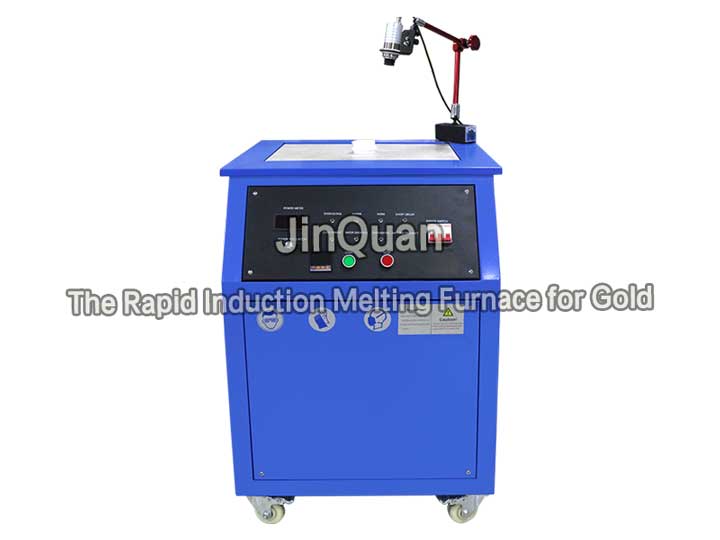 The Rapid Induction Melting Furnace for Gold
The Rapid Induction Melting Furnace for Gold:
This rapid induction melting furnace utilizes electromagnetic induction technology. By generating alternating magnetic fields within the metal, it produces eddies that achieve rapid and uniform heating and melting. This heating method not only has high efficiency but also significantly reduces oxidation and decarburization phenomena, ensuring the purity of gold.
In metallurgical applications, this rapid induction melting furnace exhibits significant advantages. It allows precise control of melting temperatures, ensuring consistency and stability in the gold melting process. Additionally, the furnace features energy-saving characteristics with its efficient energy conversion and low-energy consumption design, making it an ideal choice for the metallurgical industry.
The furnace also boasts a high level of automation, with user-friendly operation that enables fully automatic unmanned operation, further enhancing production efficiency.
-
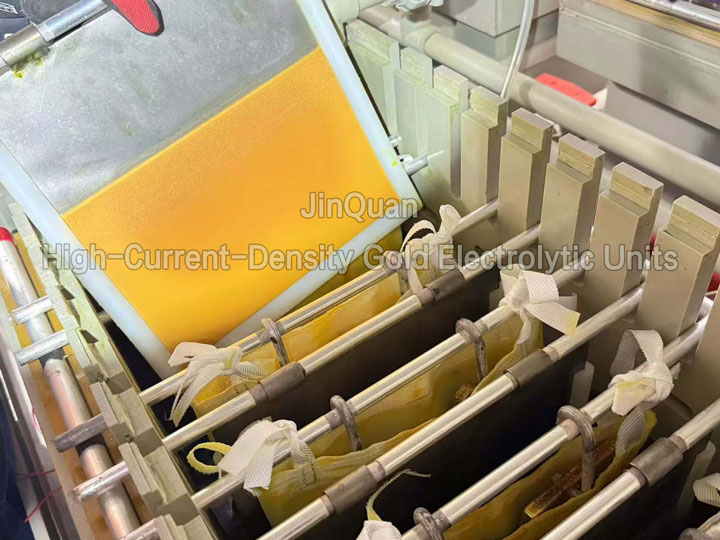 The High-Efficiency Gold Extraction Method
The High-Efficiency Gold Extraction Method
Steps:
a. Mineral Grinding
b. Agitation and Pressing Block
c. Roasting
d. Crushing and Mixing
e. Chemical Leaching
f. Press Filtration
g. Electrorefining
Description of the Method:
This method employs solid block-shaped composite gold roasting technology, allowing for multiple recoveries of residual gold from the by-products and wastewaters across various stages of the process. The entire extraction process can be completed on a single production line, achieving high product rates with minimal residual gold left in by-products and waste liquids.
-
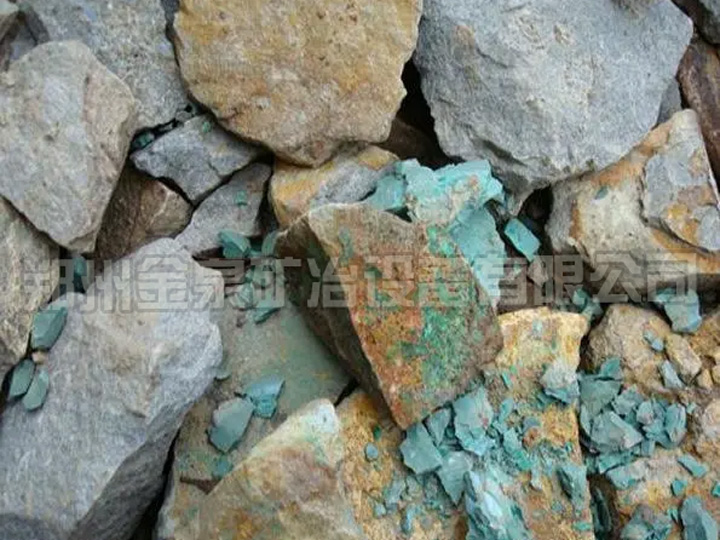 Gold Flotation in Oxidized Copper Ores
Improving the Efficiency and Economic Benefits of Gold Flotation in Oxidized Copper Ores
Challenges in Gold Flotation from Oxidized Copper Ores
Oxidized copper ores are one of the most important sources for extracting gold. However, the flotation process for gold in oxidized copper ores faces numerous difficulties. This article will explore the reasons behind the challenges in gold flotation from oxidized copper ores from the following perspectives:
Co-occurrence of Gold with Multiple Minerals: Gold in oxidized copper ores often co-occurs with various other minerals, which differ significantly in their properties. This makes it difficult to achieve effective separation during the flotation process, especially when gold is present as fine particles or encapsulated forms.
Adverse Effects of Gangue Minerals: Gangue minerals such as silicates (silicic acid), carbonates (calcium-based), and oxides (iron-based) in oxidized copper ores negatively impact gold flotation. These gangue minerals reduce the selectivity of flotation reagents, making it difficult to precisely capture gold.
Ineffectiveness of Traditional Flotation Reagents: Conventional flotation reagents often fail to achieve satisfactory results for gold extraction from oxidized copper ores.
-
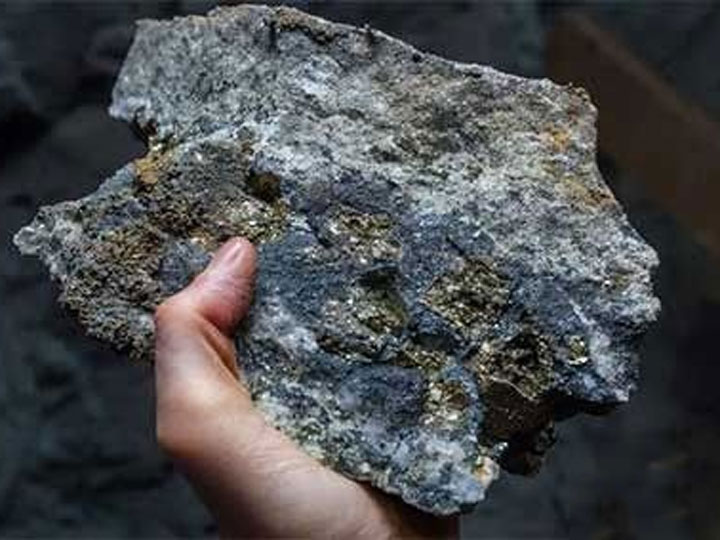 Low-Grade Gold Mine Soaking Method for Extracting Gold
Low-Grade Gold Mine Soaking Method for Extracting Gold:
Preparation of Low-Grade Gold Ore: After removing surface mud, dirt, and other impurities from the low-grade gold ore, crush and screen it to select ores with particle sizes less than 70mm. Mix this with lime in a ratio of 3:1 (ore:lime) and stir uniformly to form a mixture. Form piles with this mixture.
Impregnating Compound : Adjust the pH of the solvent to between 10-12, creating a basic solution. Add cyanide to form the dye solution.
Spraying: Spray the dye solution continuously over the ore piles to produce the pregnant solution.
Gold Adsorption on Activated Carbon: Pump the pregnant solution through activated carbon columns filled with activated charcoal. The gold complexes in the solution are absorbed by the activated carbon, resulting in loaded carbon containing gold and a low-gold content solution (pregnant solution).
Reprocessing Low-Gold Solution: Recycle the low-gold content solution by repeating steps 2, 3, and 4.
Refining Raw Gold: Process the loaded carbon from step 4 to obtain raw gold.
-
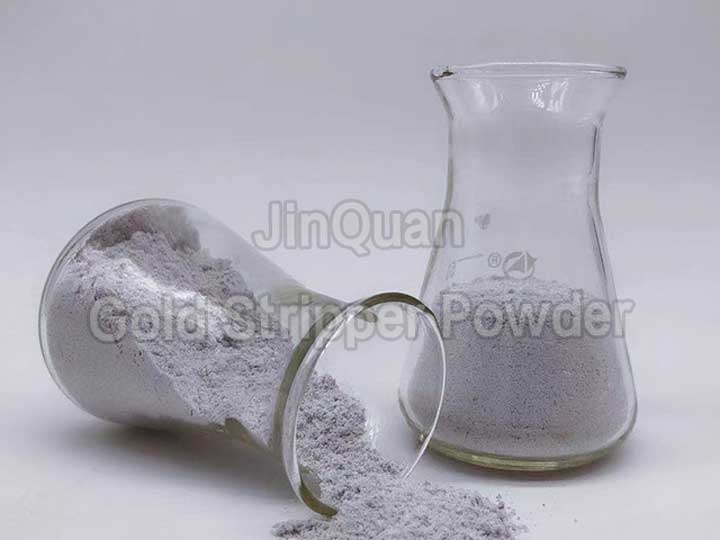 Gold Stripper Powder And Gold Recycling Process
High-Efficiency and Environmental gold stripper powder and Gold Recycling Process
gold stripper powder includes: gold mining agents, anti-staining salt (S), and surfactants.
Gold Recycling Process: Includes:Preparation of Desorption Solution、Electroplating with Zinc Wire、Removal of Lead。
Environmental and Non-Toxic Advantages: The desorption powder and gold recycling process outperforms traditional methods in terms of:Significant improvement in gold recovery rate.Enhanced purity of recovered gold.
-
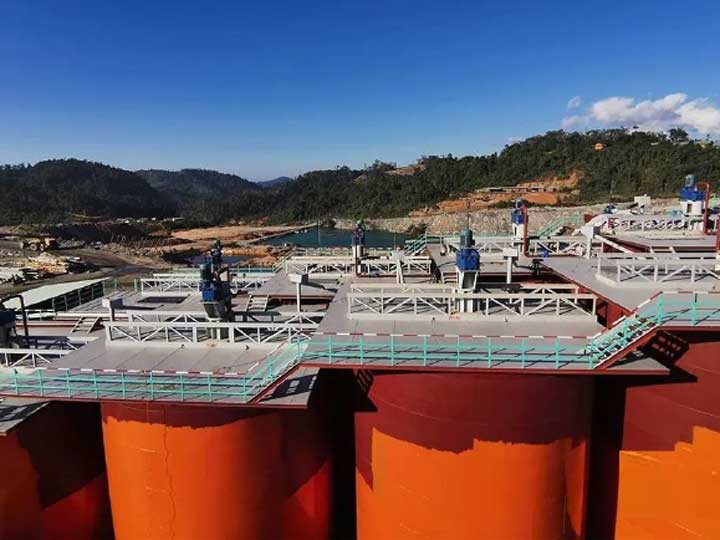 Method for Extracting Gold from Gold Tailings
Method for Extracting Gold from Gold Tailings:
1、Creating Slurry: Mix gold tailings with water to form slurry.
2、Fine Processing: Process the slurry through fine processing to reduce particle size below 2 micrometers. Additionally, a chemical agent containing a ligand capable of forming complexes with gold ions is added either during or prior to the fine processing. After fine processing, the chemical agent is thoroughly reacted with the slurry.
3、Solid-Liquid Separation: Perform solid-liquid separation to isolate the liquid phase, which contains gold complex ions.
This method operates under mild conditions and has low production costs. It consumes less reagent, achieves high extraction speed, and a recovery rate of up to 98%. Post-extraction, the solid residue can be utilized for manufacturing ceramic tiles, concrete additives, lightweight void fillers, or dried as filling material for rubber or plastic. This process effectively converts waste into valuable resources through maximum resource utilization.