-
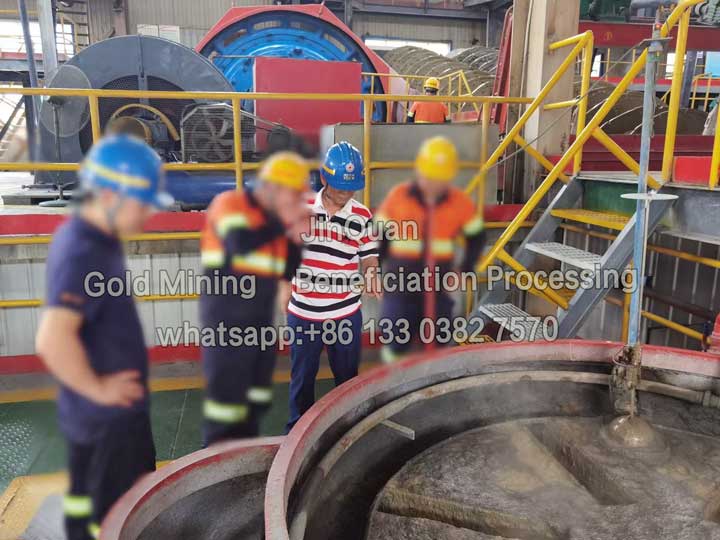 Gold Mining Beneficiation Processing
Gold Mining Beneficiation processing
1、Heavy Mineral Separation: Heavy mineral separation is one of the oldest and most widely applied methods in gold mining. It is considered the most effective, economical, and primary method for alluvial gold mines.
2、Flotation Method: The flotation method is based on the differences in physical and chemical properties of minerals. After treating with flotation reagents, valuable minerals are selectively attached to air bubbles, achieving separation through this process.
3、Chemical Leaching and Roasting Process: This method utilizes chemical or physical-chemical principles to separate and recover precious components from ores or concentrates based on the chemical differences between gangue and ore minerals.
4、Piling Leaching Production Process: The piling leaching production process is characterized by its simplicity, ease of operation, low investment costs, and high efficiency. Due to these advantages, this method has seen rapid development in industrial applications.
-
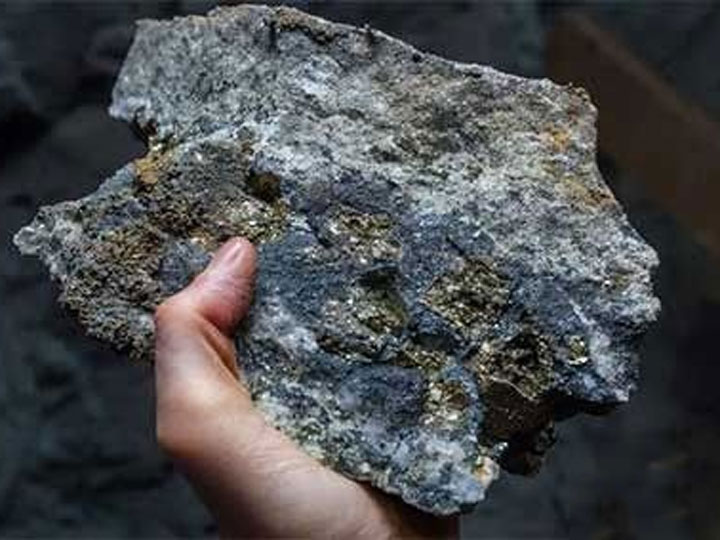 Gold Mining Technology
Gold Mining Technology:
Overview of Gold Mining: Gold content in ores is extremely low, requiring the breaking and grinding of ore stones followed by mineral separation methods to either preliminary concentrate or extract gold from the ore.
Commonly Used Methods in Gold Mining: The most commonly used methods are heavy mineral separation (henceforth referred to as "heavy selection") and flotation (flotation method).
Significance of Heavy Selection in Alluvial Gold Production: In alluvial gold production, heavy selection plays a crucial role.
Flotation Method Widely Applied in Hard Rock Mines: The flotation method is widely employed in hard rock mines, with approximately 80% of rock gold mines in China using this method to extract gold.
Improvements in Mining Technology and Equipment: The level and equipment standards of mineral separation technology have significantly advanced.
-
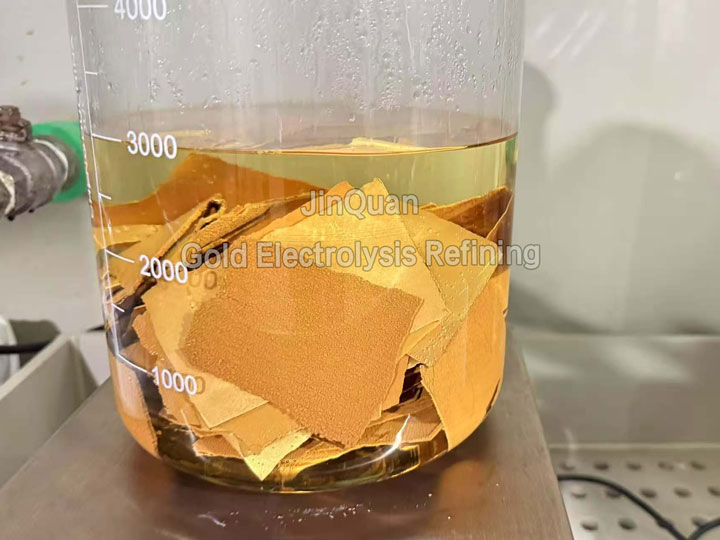 Extraction Of Gold From Cyanide Waste Solutions
Gold Recovery from Cyanide Waste Solutions:
The treatment method involves recovering gold from cyanide waste solutions, primarily generated by electronics manufacturing facilities that contain gold. This process utilizes either ferrous chloride (FeCl2) or ferrous sulfate (FeSO4) as a reducing agent to extract gold from the solution.
Pre-Treatment Process:
The cyanide waste solution is heated until it becomes viscous.
Hydrochloric acid (HCl) is then added, repeating this process 2~3 times.
After dilution with water and reheating to a temperature of 70-80°C, a reducing agent (iron(II) salts) is slowly introduced until all the gold is precipitated.
Alternative Reduction Method:
Sodium thiosulfate (Na2S2O3) or sulfur dioxide (SO2) can also be employed as reducing agents to facilitate gold recovery from the cyanide solution.
This method ensures efficient and effective extraction of gold from cyanide waste solutions, adhering to environmental regulations and optimizing resource recovery processes.
-
 Gold Recovery From Gold–Cyanide Solutions
The process involves treating gold cyanide solution using a PH adjustment method to recover gold.
PH Adjustment Method for Gold Recovery: The [Au(I)(NH3)2(SO3)2]^3- complex ion is stable at a PH of 8~9, making it suitable for electroplating purposes.
Behavior of the Complex Ion Upon pH Reduction: When the pH decreases, the complex ion dissociates into gold ions, sulfite ions, and ammonia (NH3).
Role of Sulfate Ions in Gold Ion Reduction: The sulfate ions reduce the gold ions to metallic gold.
Gold Recovery at Adjusted pH Levels: By adjusting the PH to 2~3 using hydrochloric acid, the gold is reduced to elemental gold powder.
Filtering and Washing for Gold Recovery: After reduction, the gold powder is filtered and washed before being collected for reuse.
-
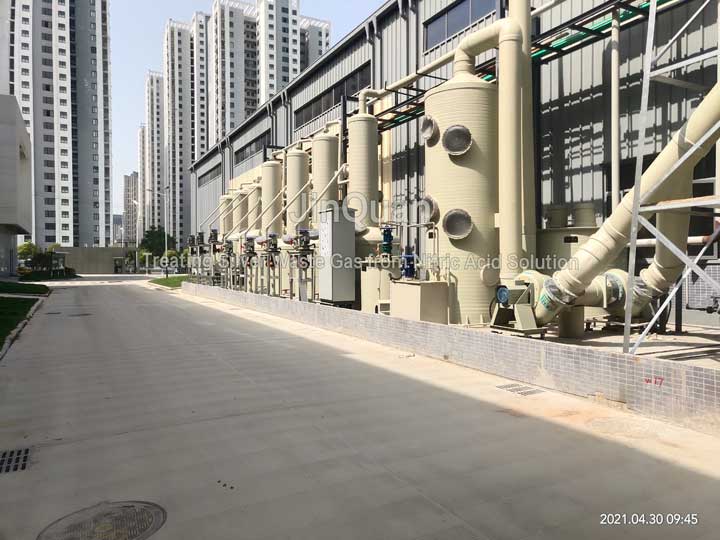 Treating Silver Waste Gas from Nitric Acid Solution
Technology for Treating Silver Waste Gas from Nitric Acid Solution:
The concentration of nitrogen oxide waste gas generated from silver electrolysis solution reaches 20,000 to 50,000 mg/m³. The national emission standard is 240 mg/m³. Many places have adjusted their emission standards to 100 mg/m³.
-
 Technology for Recycling Silver-Containing Catalyst
Technology for Recycling Silver-Containing Catalyst:
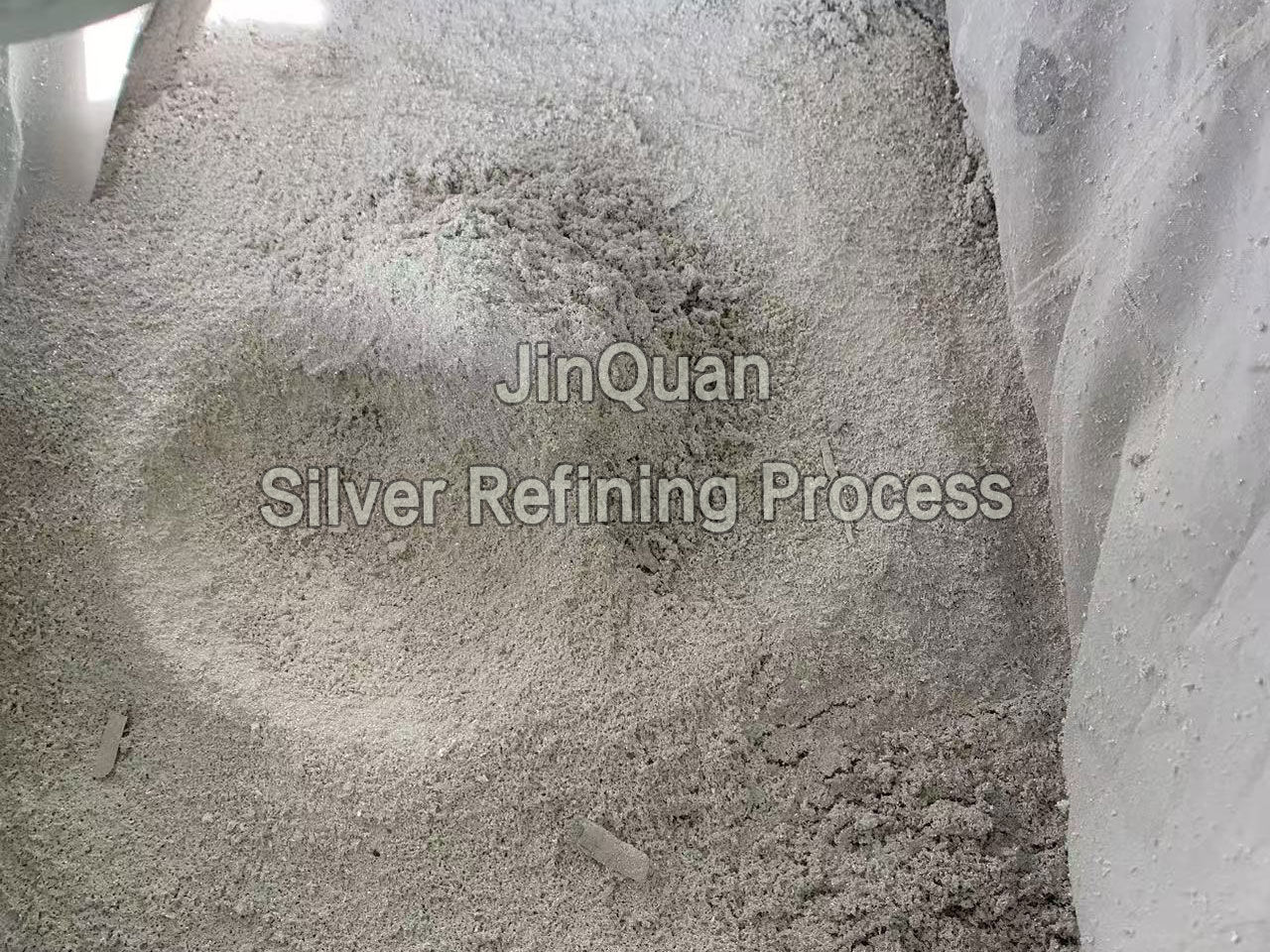
Silver Electrowinning Process: This process is used to recover silver from silver-containing catalyst sludge in the chemical and pharmaceutical industries, as well as from silver-containing solutions in the solar energy industry. Since these materials contain silver without significant other metal impurities, we developed a new recycling process.
Process Description:
After leaching with nitric acid, adjust the pH and silver ion concentration of the leaching solution.
Transfer the adjusted solution directly to the silver electrowinning cell for processing.
The depleted solution after electrowinning can be used as makeup water when diluting the leaching solution for the next batch.
The resulting silver powder meets the national standard 1# silver specifications.
Advantages of the Silver Electrowinning Process:
Simple process with low production costs.
Current Applications:
This technology has been applied in Xian Nobi Rare Metal Material Co., Ltd.
Heraeus Technologies (China) Co., Ltd.
-
 Raw Materials for Precious Metal Refining Plants
Raw Materials for Precious Metal Refining Plants:
1、Gold and silver refining plants: Gold mud/charcoal with gold loading from cyanide solution after decomposition, obtained through electrowinning.
2、Lead refining plants: Lead anode sludge processed into gold-silver alloy boards.
3、Copper refining plants: Copper anode sludge processed into gold-silver alloy boards.
4、Raw gold and silver collected from other industries.
-
 Disadvantages of Traditional Silver Electrowinning Units
Disadvantages of Traditional Silver Electrowinning Units:
1、Low Current Density: Typically, the cathode current density can only reach 300-400 A/m².
2、Unstable Silver Powder Mass: The mass of silver powder produced is unstable.
3、High Labor Intensity: The production, washing, and transportation of silver powder require a significant amount of labor.
4、Complex Residual Anode Handling Process: The process of handling residual anodes after electrolysis is complex.
5、High Energy Consumption with Upper Extraction Method: When using the upper extraction method, energy consumption is high, and wind efficiency is poor.
-
 Golden Electrowinning Closed Loop Technology
Golden Refining Methods:
Gold refining has a long history, with electrolysis and the Wang water method being two classic techniques. The main advantage of the electrolysis method is that it can produce gold of 99.95% to 99.99% purity under relatively low investment. However, its main disadvantage is that a large amount of gold must be stored either in the form of ions in the electrolyte or on the electrodes, leading to significant capital investment for the electrolytic cells themselves. Additionally, the production rate of this method is slower than that of the Wang water method.
In the Wang water method, gold is dissolved in Wang water, and a chemical agent is used to partially reduce the gold present in the solution, resulting in 99.99% pure gold. Requirements:
The total soluble gold quantity in the solution must be known.
The acidity of reducing conditions should be appropriately adjusted.
Partial reduction is typically carried out at 80% to 90% of the theoretical value.