-
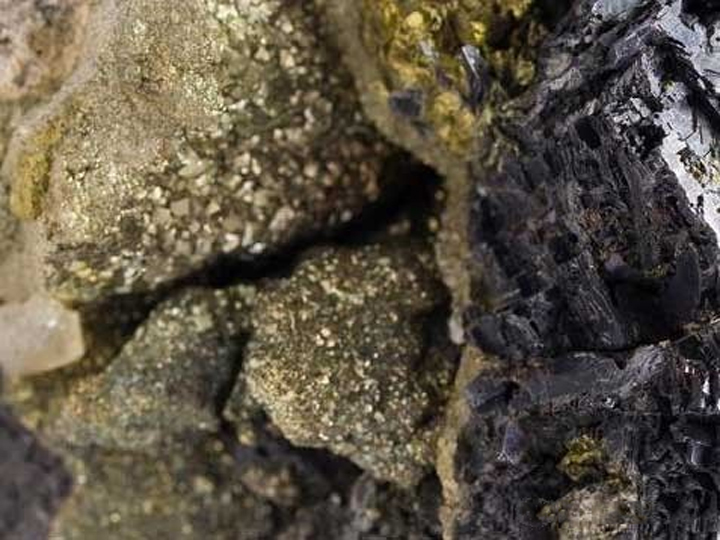 Indirect Gold Heap Leaching Process
Indirect Gold Heap Leaching Process
The elite solution purification method in the indirect gold heap leaching process involves adding activated carbon to the gold heap leaching solution. After 10-30 days, the activated carbon saturated with impurities is removed and subjected to desorption to obtain desorption wastewater and desorbed activated carbon. The desorbed activated carbon undergoes acid washing treatment, producing acid wash wastewater alongside the desorption wastewater and smelted residue leachate, all of which are collected in a settling tank. High-efficiency purification agents are then employed for purification.
The settling material undergoes pressure filtration and is stored in inventory. This system enables long-term recycling and zero discharge of the leaching solution while maintaining low concentrations of impurities, thereby enhancing leaching efficiency. Additionally, it facilitates the recovery of impurity metals.
This method ensures efficient purification with a wide range of suitable pH values, does not interfere with gold leaching, and achieves sustainable solutions for resource recovery and environmental protection.
-
 Extracting Gold, Silver, and Copper from Mineral Ores
Comprehensive Process for Extracting Gold, Silver, and Copper from Mineral Ores:
This comprehensive process for extracting gold, silver, and copper from mineral ores is a hydrometallurgical processing (wet metallurgical method). It utilizes leaching, counter-leaching, and electro-deposition techniques to extract precious metals such as gold or silver, and copper from high-grade ore concentrates.
Additionally, a newly developed "mix-cleaning device" has been designed and applied in this process. The metal recovery rate can reach 99% or higher. Moreover, the process is energy-efficient and cost-effective.
-
 Cyanide Gold Extraction Process
Cyanide Gold Extraction Process
The cyanide gold extraction process, particularly a type of controlled atmosphere gas furnace for decomposing native gold ores under controlled conditions—cyanide leaching method for extracting gold from native ores.
High-temperature gases produced by a coal-fired furnace are supplemented with air and pre-cooled to temperatures between450 and850°C before being introduced into the roasting furnace as leaching gas.
Subjecting native ores to thermal decomposition and oxidative decomposition converts them into mineralized ores.
The roasted mineralized ores are powdered to a particle size of −5 mm and placed into cyanide solution pools for extraction by soaking in sodium cyanide solution.
Gases generated during the roasting of gold ores are sent to the waste gas purification section, where lime is added to convert sulfur dioxide and arsenic oxides into insoluble, non-harmful solid substances—calcium sulfate and calcium arsenate. These are then filtered through dust-removal bags or washed in rain shields before being emitted into the atmosphere.
-
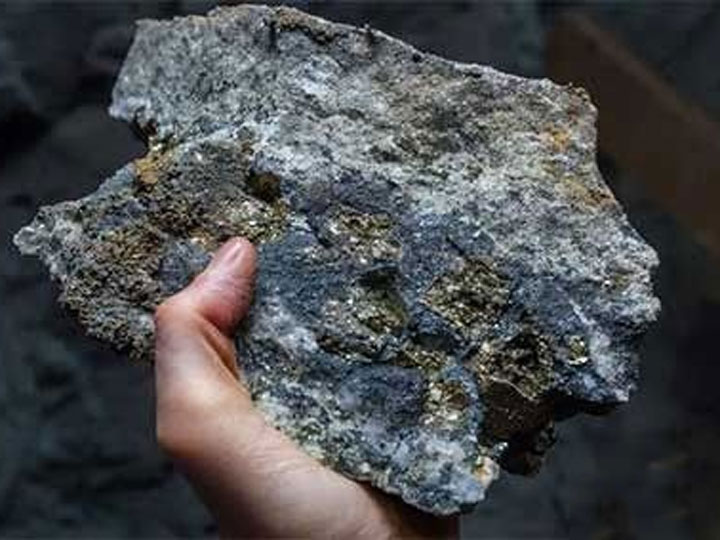 Green Leaching Method
Green Leaching Method for Polymetallic Sulfide-Carbon Ores
This green leaching method is employed in the polymetallic sulfide-carbon ores industry, utilizing metallurgical engineering techniques.
Fine grinding is used to break down the mineral structure of the polymetallic sulfide-carbon ores, facilitating gold leaching; pulsed slurry flotation is utilized to concentrate gold while minimizing mineral processing amount; subsequent oxidation reactions convert arsenic into soluble arsenic salts and sulfur into sulfate salts, with carbon undergoing carburization to expose fine gold particles. Finally, a precipitation reaction transforms arsenic into stable "aristolochia," preventing its dissolution, while sulfate and carbonate salts are converted into calcium sulfate and calcium carbonate. Calcium carbonate is removed, and sodium hydroxide is regenerated for reuse in the process cycle.
This green leaching method employs non-cyanide leaching agents for gold extraction from sulfide-carbon-arsenic ores, utilizing environmentally friendly, nontoxic reagents. The process operates under ambient temperature and pressure (pH of approximately 6–8), making it suitable for widespread application.
-
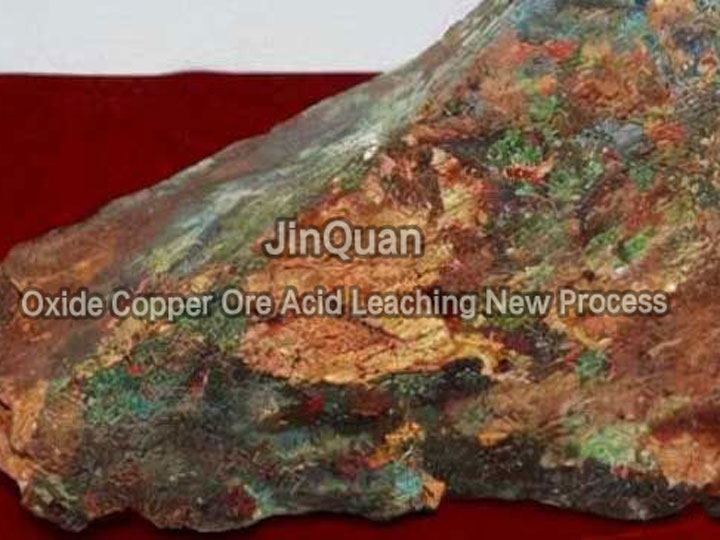 Metallurgical Method for Copper Recovery
Metallurgical Method for Copper Recovery from Oxidized Copper Ores:
This method is characterized by replacing the traditional ammonia leaching process (using NH3-(NH4)CO3 or NH3-(NH4)2SO4 as the leaching agent) with a novel leaching system employing NH3-NH4F (or NH3-NH4HF2), thereby eliminating the need for the high-temperature reduction roasting and constant-pressure ammonia leaching process. Instead, it directly employs constant-pressure ammonia leaching. The integration of solvent extraction and electrowinning with this method results in a new, streamlined process flow for copper recovery from oxidized copper ores.
This approach offers advantages such as shortened process flows, simplified operations, low energy consumption, shorter leaching times, and high copper leaching rates, making it ideal for selectively recovering copper from challenging oxidized copper ores, particularly those with high alkalinity in their gangue.
-
Copper Sulfide Ore Flotation Process
The commonly used flotation processes for copper sulfide ores are as follows:
Priority Floatation (Enrichment Floatation):
Typically involves two stages: first, float out the copper, and then float out the sulfur. For compact, blende-like chalcopyrite ores where the amount of chalcopyrite is relatively high, this method generally employs a high-calcium alkali dosage (with calcium oxide content exceeding 600–800 g/m³) combined with a high dose of yellow alkali to suppress chalcopyrite and prevent its floatation.
Mixed-Subsequent Floatation:
Suitable for copper sulfide ores where sulfur is low and the copper minerals are readily floatable. The ore undergoes mixed flotation in mildly alkaline slurry, followed by separation flotation in highly alkaline slurry using lime to achieve a copper-lead-sulfur separation.
Modified Preferential Mixed-Subsequent Floatation:
Utilizes selective agents such as Z-200 or OSN-43 (or other similar collector reagents like ELC-105) for preferential floatation of copper ores, followed by subsequent mixed flotation to produce mixed copper-sulfide concentrates. These concentrates are then subjected to flotation with a copper depression reagent for further purification.
This method ensures high selectivity in copper recovery while minimizing sulfur and impurity contamination, making it highly efficient and widely applied in industrial operations.
-
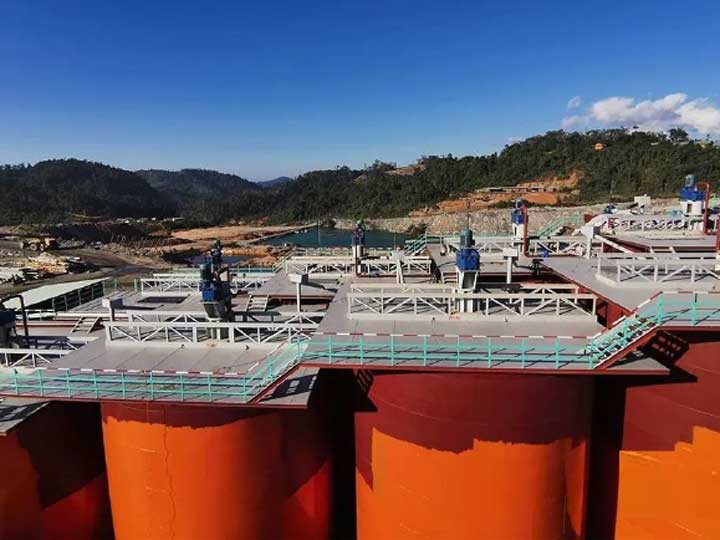 Recovering Copper, Silver, Gold
Method for Recovering Copper, Silver, Gold, Lead, Iron, and Sulfur from Complex Chalcopyrite Ores:
This method employs the use of hydrochloric acid, oxygen, and sodium hydroxide in a leaching process to recover copper, silver, gold, lead, iron, and sulfur from complex chalcopyrite ores. A small amount of oxidizing agent is used as a catalyst. The solution can effectively recover multiple elements from the leach solution, while the slag can be utilized for sulfur recovery along with gold and sodium sulfide. The leach solution is designed for repeated recycling to maintain its effectiveness. The electrolytic device incorporates a separated petal tank to facilitate copper recovery.
This approach significantly enhances the efficiency of low-cost, nontoxic gold extraction. By minimizing gold loss during the process and ensuring that all reagents are non-toxic and cost-effective, this method achieves high recovery rates for various elements. Importantly, it avoids pollution and does not produce any toxic or hazardous waste.
-
Copper Extraction from Oxidized Copper Ore
Method for Copper Extraction from Oxidized Copper Ore:
This method for extracting copper from oxidized copper ores involves a low-temperature, constant-pressure ammonia leaching process. It optimally combines wet metallurgical techniques such as "ammonia leaching - solvent extraction - electrowinning" and mineral processing techniques like "flotation" to form a novel copper-magnesium oxide ore processing flow.
By abandoning the high-temperature, high-pressure, or heating and pressurizing methods used in traditional ammonia leaching to achieve high copper leaching rates, this method leverages the advantages of ammonia leaching in easily dissolving oxidized copper minerals while also utilizing the floatation technique's ability to easily recover chalcopyrite. This significantly reduces energy consumption and costs, enhancing its practicality and economic feasibility. The process is easy to industrialize and scale up for production.
-
Direct Electrowinning of Copper from Chalcopyrite
Direct Electrowinning of Copper from Chalcopyrite:
The direct electrowinning of copper from chalcopyrite falls under both chemical and metallurgical fields. It is characterized by using the leached solution at the anode for copper extraction via electric chemical dissolution, while simultaneously producing electrolytic copper meeting GB466-82 standards at the cathode.
This method utilizes fluidized electrospinning tanks to process single chalcopyrite ores, complex ores, and high-pb and zn-bearing chalcopyrite ores. The process is simple, has low energy consumption, and is environmentally friendly, making it suitable for industrial implementation without causing pollution.