-
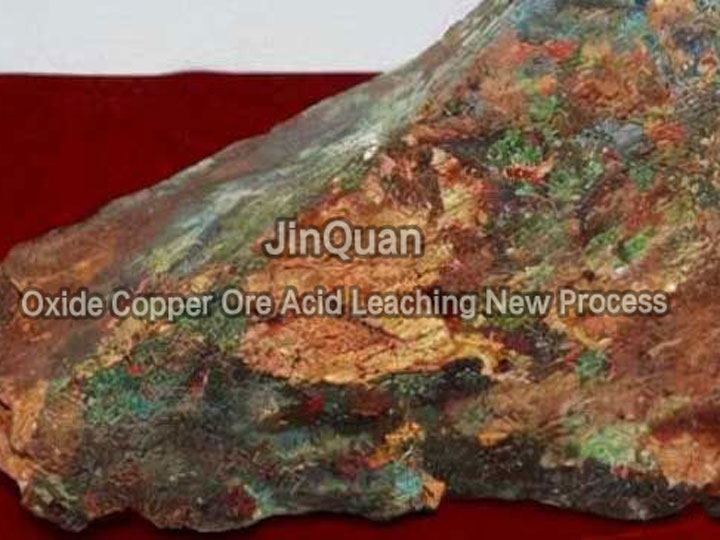 The Leaching-Precipitation-ElectroREFINING Process
Treatment of Copper Oxide Mines Using the Wet Metallurgical Leaching-Precipitation-ElectroREFINING Process:
A wet metallurgical process is employed for the recovery of copper from copper oxide mines using a leaching-precipitation-electroREFINING method. This approach is particularly well-suited for copper deposits where mining points are numerous, ore quantities are limited, and the copper oxides are disseminated in nature.
One key feature of this method is its ability to perform in-place leaching with sulfuric acid following heap leaching. Afterward, neutralization of the leach solution with a base precipitates copper as Cu(OH)2, which is then washed and filtered. The copper-bearing material from the filter is redissolved in sulfuric acid to form a copper sulfate solution.
The standard leaching-precipitation-copper process is then applied, followed by a high-purity copper recovery step, typically involving advanced electroREFINING methods to achieve a purity level exceeding 99.9%.
This approach offers several advantages:
It eliminates the need to transport mineralized material and directly processes the ore on-site, significantly reducing transportation costs.
The process is cost-effective and highly efficient compared to conventional mining practices.
-
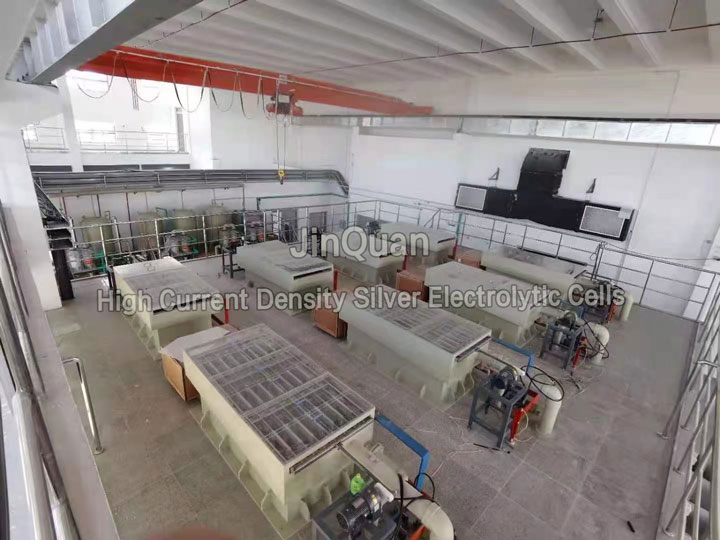 Raw Silver Electrolytic Refining
Raw Silver Electrolytic Refining:
Using raw silver as the anode and nitric acid silver solution, high current density electrolysis is employed to produce silver powder with a purity of over 99.99%.
The anode residue from electrolysis undergoes washing before being placed directly into the anodic electrolytic cell to produce silver powder of over 99.99% purity.
The spent electrolyte undergoes silver oxide filtration, achieving quality standards for reusable electrolyte, which is then reintroduced to the electrolysis process.
-
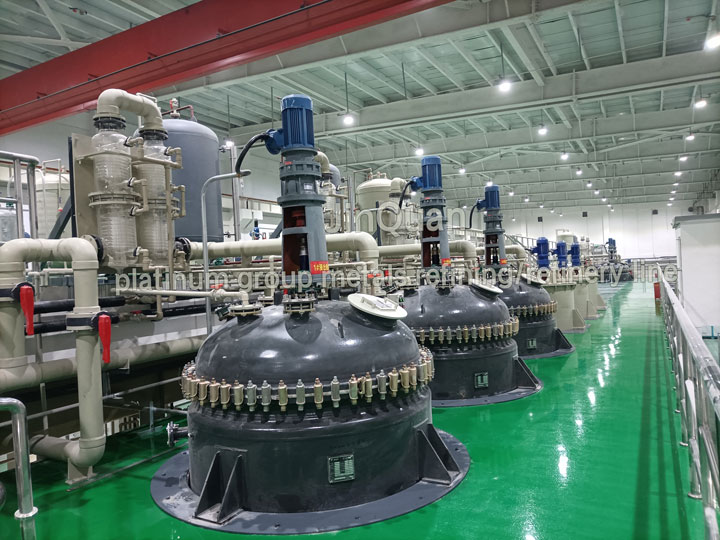 Customized recovery of high-value platinum group
Process tailored for different carriers in petrochemical and pharmaceutical industries:
A four-step process—incineration, refining, dissolution, and precipitation—is employed.
This method achieves the highest platinum group recovery rate of 99%, converting the carrier into building material ultrafine powder to efficiently recycle and reuse resources.
-
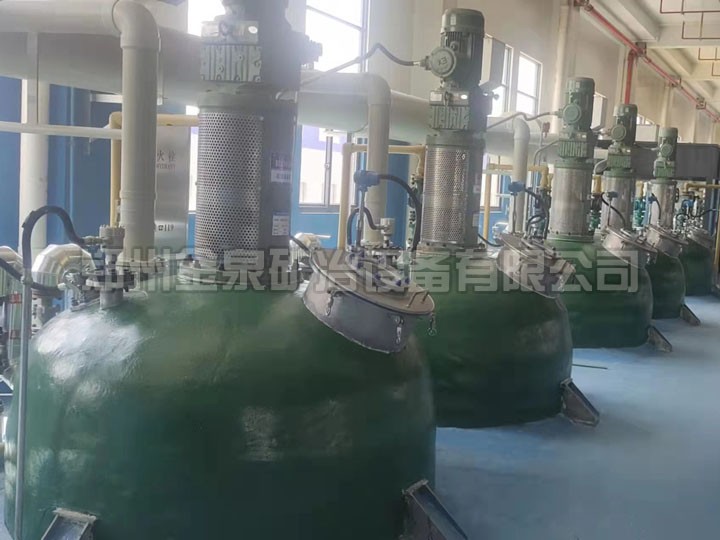 The Chemical Refining Method For Gold
The chemical refining method :
The chemical refining method for gold generally uses aqua regia or sodium chlorate and hydrochloric acid to dissolve crude gold, and then adds reducing agents such as sodium sulfite to control the potential reduction, obtaining 99.99% gold.
-
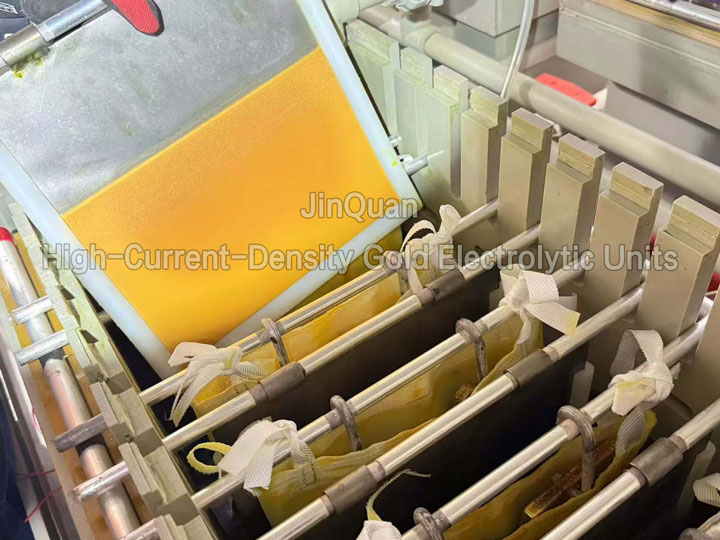 Advantages of JinQuan Gold Electrolysis
Advantages of JinQuan Gold Electrolysis:
High Stability in Product Quality: The product can achieve a gold ingot purity of 99.99%, and even higher purity (up to 99.999%) can be produced based on specific requirements.
Low Production Costs: Consumes 150 liters of HCl per ton of gold, ensuring cost-effectiveness.
High Current Density Electrolysis Technology: Utilizes a current density range of 1200-1500 A/m², achieving high production efficiency with an electrolysis cycle duration of 10-22 hours (depending on the thickness of the copper cathode).
Minimized Gold Usage in Electrolyte: The electrolyte uses about 96 liters per day, containing 120-150 grams of gold per liter. This results in minimal gold consumption, with up to 14.4 kilograms of gold used per ton.
Transparent Hood Design: Provides a clean and safe work environment, enhancing both functionality and aesthetics. The entire system occupies an area of approximately 2 square meters.
High-Performance Materials: The main components are made of high-performance polypropylene, while the electrodes (both anode and cathode) feature a titanium-copper composite, ensuring excellent electrical conductivity.
PLC Automated Control System: Incorporates a PLC-based automation system with touch-screen control for managing power supply, current, voltage settings, heating, and cycling functions. The system includes monitoring capabilities for copper dissolution temperature, electrolytic voltage, and current. It can automatically shut down the power supply in case of parameter anomalies and stores electrolysis parameters for real-time query and analysis. The system operates with high safety and convenience.
This comprehensive design ensures efficient and reliable gold-silver electrolysis processes, meeting both technical and operational requirements.
-
Advantages of JinQuan Silver Electrolysis
Advantages of JinQuan Silver Electrolysis:
Closed-Loop Electrolysis: Conducted throughout as a closed process, with no fumes or splashes of electrolytic solution, ensuring a clean workplace environment.
High-Density Silver Electrolysis Process: Implements a production capability that is roughly double that of other companies using electrolytic tanks of the same volume.
Electrolytic Solution Cooling System: Incorporates a system to control and minimize the evaporation loss of electrolytic solution.
Silver Electrolysis Purification Process: Ensures less frequent replacement of electrolytic solution, thereby reducing production costs.
Direct Silver Electrolysis for Anodes: Equipment processes anode directly without needing a second melting step.
Customizable Automation Solutions: Achieves automatic unloading of copper cathodes, automatic washing and drying of copper powder, pneumatic conveying after drying, and automated ingot casting, cooling, cutting, polishing, weighing, and coding, minimizing labor intensity.
-
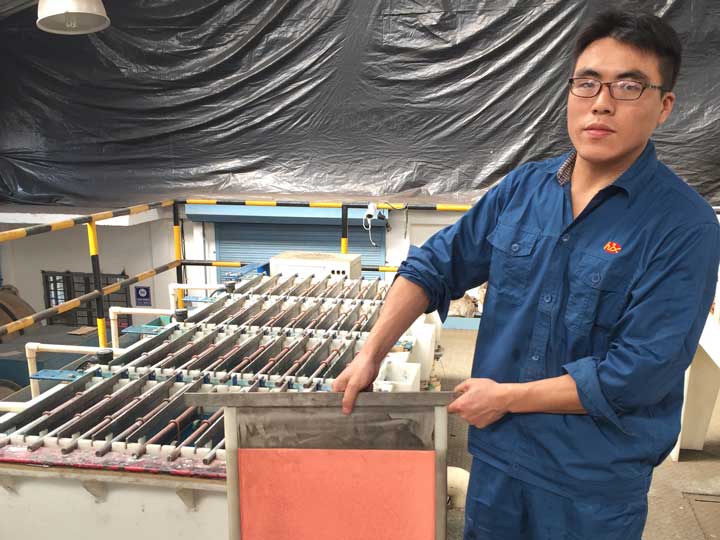 Copper Recycling Comprehensive Refining Process
Copper Recycling Comprehensive Refining Process
1、Raw Materials:The process utilizes by-products generated during copper production, such as copper wire scrap and circuit board residues. This approach aligns with global decarbonization goals (Double Carbon Strategy), making recycled copper a key strategic resource. It significantly reduces energy consumption by 30% compared to primary copper production and decreases carbon emissions by over 60%, thereby enhancing supply chain resilience.
2、Refining Process:
Direct Refining via Remelting:Copper materials are melted in furnaces to produce molten copper.The molten copper undergoes oxidation-reduction refining, yielding high-quality copper.The refined copper is poured into molds to cast copper electrolytic plates.
Electrorefining:
The copper electrolytic plates are dissolved in an electrolytic solution.This process separates copper from precious metals (e.g., gold and silver) attached to the copper.The resulting product includes high-purity copper (cathode copper, "negative electrode copper").
Precious Metal Recovery:Copper anode sludge undergoes oxidation roasting to extract copper, followed by electrolysis for further recovery.Gold and silver are then processed through reduction steps to obtain raw precious metals.
Environmental Benefits:This sustainable approach minimizes environmental impact by utilizing materials that would otherwise contribute to electronic waste and reducing reliance on primary mineral resources. The process is energy-efficient and emits fewer greenhouse gases, aligning with global decarbonization initiatives.
-
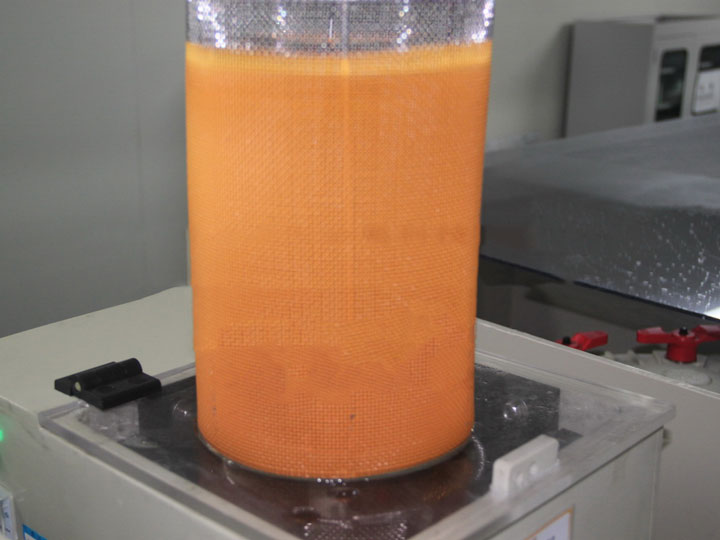 Process for Recovering Gold from Gold-Plated Items
Process for Recovering Gold from Gold-Plated Items
Deplating: Removing the gold plating from the items.
Retroactive Solution Electrolytic Recovery of Gold: Using a solution to dissolve the gold through electrolysis.
Electroplated Gold: The product obtained after dissolving the gold.
Refining Through Electrolysis to Obtain 4N Gold: Refining the dissolved gold using electrolysis to achieve a purity level of 4N (99.99% pure gold).
Casting into Standard Gold Ingots: Casting the refined gold into standard ingots.
Post-Electrolytic Solution Processing for Repeated UseAfter the electroytic process, adding retroactive agents enables repeated use of the solution to enhance sustainability and minimize environmental impact. This approach prioritizes the cyclic use of reagents while promoting eco-friendly practices and sustainable development.
-
 Waste photovoltaic panel recycling and refining process
Recycling Process for Scrap Solar Panels
The recycling process for discarded solar panels involves the following steps: disassembly, thermal decomposition, and a combination of wet metallurgical processes.
The EVA removal rate exceeds 99%, and the silver leaching rate surpasses 97%. This method employs environmentally friendly ligands in place of cyanide to ensure sustainability.
During electrorefining, high-purity silver powder (4N level) is produced and directly reused for solar panel bonding.