-
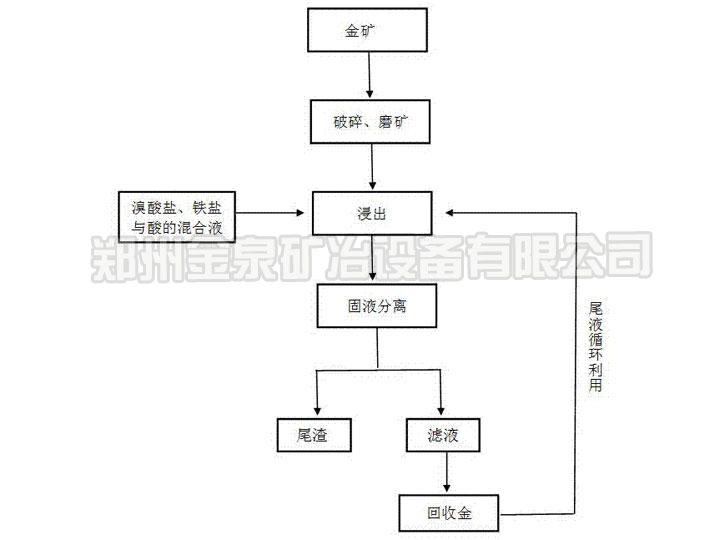 The quick leaching method for gold mines
The quick leaching method for gold mines involves several key steps:
Crushing and Fine Grinding: The gold ore is first crushed into small particles and then finely ground to ensure maximum surface area exposure for efficient leaching.
Slurry Formation: A mixture of bromide salts, iron salts, and acid is added to the ground ore, forming a slurry that facilitates the leaching process.
Agitation: The slurry is agitated at speeds between 100 to 800 rpm under normal temperature and pressure conditions. This step ensures that the chemical reaction between the gold particles and the leaching agents is sufficiently intensive to achieve high leaching efficiency.
Filtering and Washing: After the leaching process, the slurry is filtered to separate the gold from the residue. The residue is washed away, leaving behind the leachate (filtrate) containing the dissolved gold.
Gold Recovery: Conventional methods are employed to recover the gold from the leachate, typically involving further processing such as precipitation or electroplating to produce pure gold products.
This method boasts several advantages:
Rapid Leaching Rate: The process achieves a gold leaching rate exceeding 90% in a short time.
Simplicity: The production process is straightforward and requires minimal equipment complexity.
High Efficiency: The leaching efficiency is significant due to the optimized mixture of chemicals and agitation conditions.
Broad Applicability: This method can handle various types of gold ores, including challenging ones like high-sulfur, high-antimony carbonaceous gold ores, without requiring prior treatment of the ore.
Environmental Friendliness: The absence of harmful emissions such as sulfur dioxide or oxidized antimony makes this process eco-friendly. Additionally, the non-toxic nature of the reagents used ensures minimal impact on human health and the environment.
Overall, the quick leaching method offers a cost-effective and sustainable solution for gold extraction, particularly suited for mines with complex ore bodies.
-
 Recycling And Utilization Of Waste Three-way Catalysts
Recycling And Utilization Of Waste Three-way Catalysts:
In general, the extraction of platinum-group metals from three-way catalyst typically involves the following steps: pretreatment (collection, shell stripping, grinding, sample preparation), group metal enrichment, extraction, purification, and reduction into metallic products. First, platinum-group metal samples are removed from the catalyst housing, crushed, ground, and sieved to an appropriate particle size for subsequent processing via either fire refining or wet refining techniques. Platinum-group metals can be enriched through mechanical enrichment or chemical pretreatment. Then, group metal extraction is performed using either fire refining or wet refining methods (with or without the enrichment stage).
The refined platinum-group metal alloy obtained from fire refining needs to undergo further chemical extraction. In this process, platinum-group metals may directly dissolve into a solution, followed by wet refining for further processing. The platinum-group metal is then separated and purified from the leaching solution and reduced into final metallic products.
The fire refining technology involves treating the waste catalytic converter catalysts with additional solvents at high temperatures to effectively separate most of the platinum-group metals from the substrate, enabling smooth extraction in subsequent steps. Fire refining techniques mainly include mercury collection methods (such as lead collection, iron collection, copper collection, and nickel-zinc collection methods). Wet refining technology employs acid-base leaching or other methods to selectively dissolve platinum-group metals or non-precious metals from waste catalytic converters, achieving the separation of platinum-group metals from non-precious metals.
-
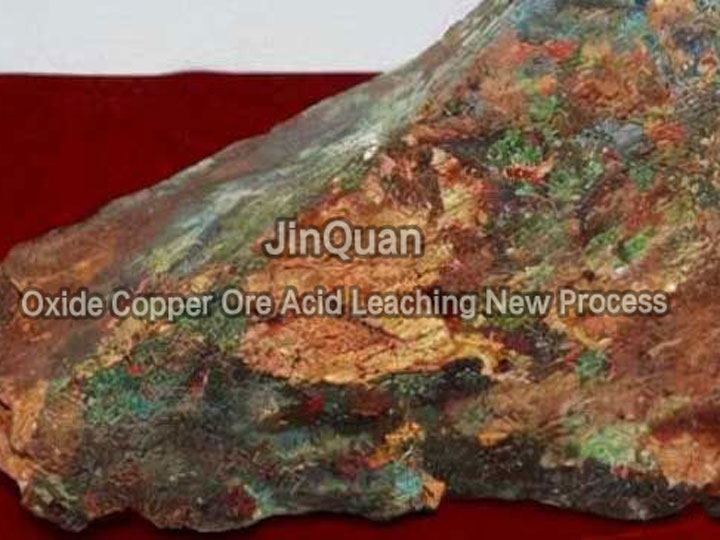 The leaching method for chalcopyrite
The leaching method for chalcopyrite, a copper ore, falls under wet metallurgical technology and encompasses the following steps:
1、Melt the chalcopyrite with NaOH (a base) to obtain pretreated Chalcopyrite.
2、Mix the pretreated chalcopyrite obtained from step 1 with acid solutions, catalysts, and oxidizing agents for oxidative leaching, yielding copper-bearing leach solution.
The process begins with using a base to fuse the chalcopyrite, altering its crystal structure and facilitating easier copper extraction while lowering subsequent leaching temperatures. In the acid leaching phase, catalysts and oxidizing agents are added to further reduce leaching temperature, shorten leaching time, and enhance copper recovery rates. The experimental results demonstrate that this leaching method operates at 75°C with a leaching time of 2 hours, achieving a copper leaching rate exceeding 99.9%.
-
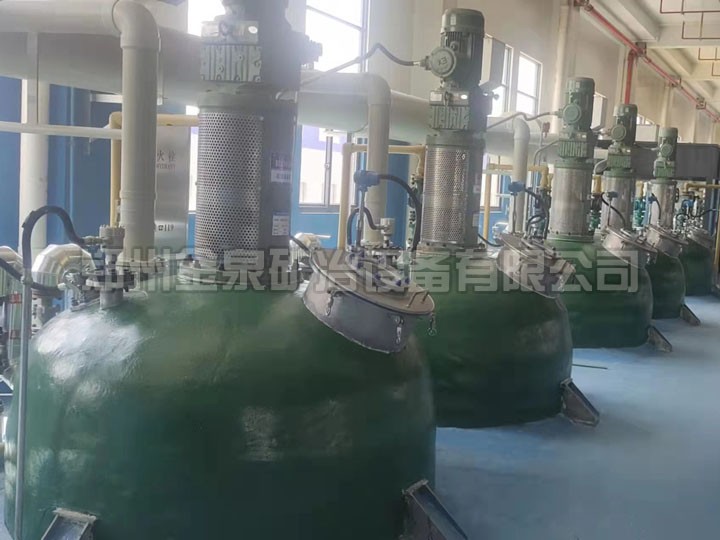 precious metal raw materials refining methods
For different precious metal raw materials, there are different refining methods. Here are some common methods:
Acidic leaching method: Use an acidic medium to dissolve the metal, then use a reducing agent to reduce it into a metallic precipitate.
Cyanide extraction method: Use cyanide compounds to reduce metal ions into metallic precipitates.
Oxidation-reduction method: Use oxidation-reduction reactions to reduce metal ions into metallic precipitates.
Solvent leaching method: Use organic solvents to extract the metal.
Roasting method: Heat the raw material containing the metal to a certain temperature, converting the metal oxide into metal.
In summary, different raw materials require different refining methods and need to be chosen based on actual conditions.
-
 coal chemical catalytic
Catalytic waste treatment methods mainly include non-solvent catalysts, solvent catalysts, and carbon carriers. Domestic production enterprises adopt different processing technologies based on material properties, primarily using calcination technology as the main process and wetting technology as a secondary process. This design, targeted at the properties of coal chemical catalytic waste materials, analyzes the advantages and disadvantages of existing processing technologies and proposes a combined process of calcination plus wetting. The process sequence includes calcination, leaching, clarification, ion exchange, dissolution, deposition of zinc, and refining of zinc.
This process employs a full dissolution technology to use ion exchange resin for adsorbing zinc, producing both a basic solution containing zinc after dissolution and sulfuric acid aluminum solution. The basic solution is further processed through coordination, deposition, calcination to produce cotton wool zinc products, while the sulfuric acid aluminum solution is sent to the municipal wastewater treatment plant for use aswater clarifying agent, achieving comprehensive utilization.
-
 Extracting Gold from Scrap PCB Boards
Methods for Extracting Gold from Scrap PCB Boards
There are two primary methods for extracting gold from scrap printed circuit boards (PCBs). The traditional method involves using chemical solvents to leach gold, which is known for its limitations such as small capacity, low efficiency, secondary pollution from wastewater, and the loss of other metals along with non-metal resources.
In comparison, a new extraction method employs specialized equipment to perform physical separation. This device utilizes a innovative dry physical separation technique that involves crushing, separating, and sorting to extract metal components from scrap PCBs. Subsequently, further refining steps are conducted to recover gold from these extracted metals.
-
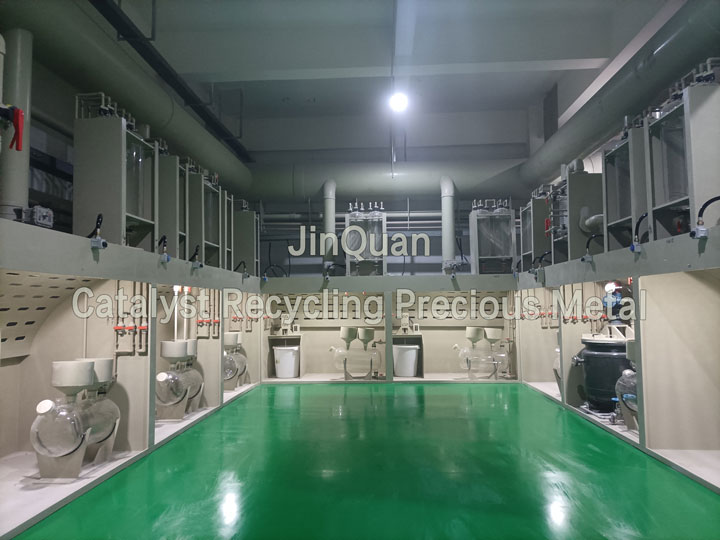 Recovering palladium Carbon Catalyst Process
Recovering palladium Carbon Catalyst Process
Thermal Treatment:The palladium carbon catalyst is immersed in a hot water bath and heated to facilitate the decomposition of organic substances within the catalyst, thereby aiding in its recovery.
Acidic Dissolution:The catalyst is submerged in an acidic solution to leach out palladium ions, reducing the organic content.
Basic Dissolution:The catalyst is treated with a basic solution to extract carbon ions, further decreasing the organic material.
Chloride Solution Treatment:The catalyst is placed in a chloride solution to dissolve metal ions, thereby reducing the organic content.
Leaching with Solvent:The catalyst is immersed in a solvent to absorb and remove organic substances, minimizing their presence within the catalyst.
Recovery of Organic Substances:The extracted organic material is collected for reuse, ensuring minimal waste and maximal efficiency.
High-Temperature Decomposition:The catalyst undergoes high-temperature treatment to ensure complete decomposition of organic substances, facilitating effective recovery.
Vapor Extraction:The catalyst is subjected to vapor processing to extract tantalum ions, enabling their reintegration into the catalyst for reuse.
-
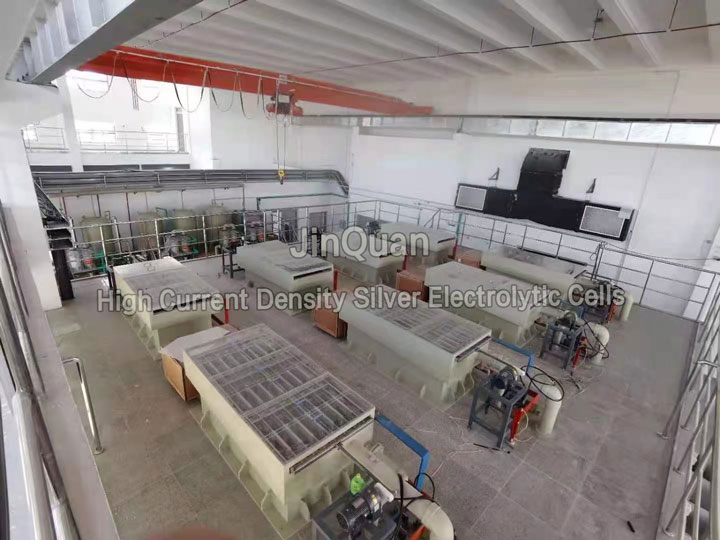 Silver Electrolysis anode slime
How to Process Silver Electrolysis anode slime
The anode slime produced during silver electrolysis constitutes about 8% of the anode's weight and typically contains 50%-70% gold and 30%-40% silver, along with minor impurities. Due to the high silver content, this anode slime cannot be directly cast into anodes for further gold electrowinning. Therefore, measures must be taken to reduce the excess silver content and improve the purity of the gold.
There are two main methods for achieving this:Acidic Dissolution Method:The anode slime is immersed in nitric acid, allowing the dissolution of the excess silver while keeping the gold largely undissolved. The solution is then separated into solid residue (containing high-purity gold) and liquid extract (for recycling the dissolved silver). The residual solid can then be cast into anodes for electrowinning.
Second Electrowinning Process:The anode slime is melted into anodes, which are then subjected to a second round of electrowinning to further reduce the silver content. This step improves the gold concentration in the anode slime, often achieving purity levels above 90%.
Additionally, after dissolving excess silver using nitric acid, alternative methods such as King's Water or Chloride Leaching can be employed to recover gold from the solid residue. These methods include water-based and chloride-based gold leaching techniques, both of which are widely used in industrial applications.
-
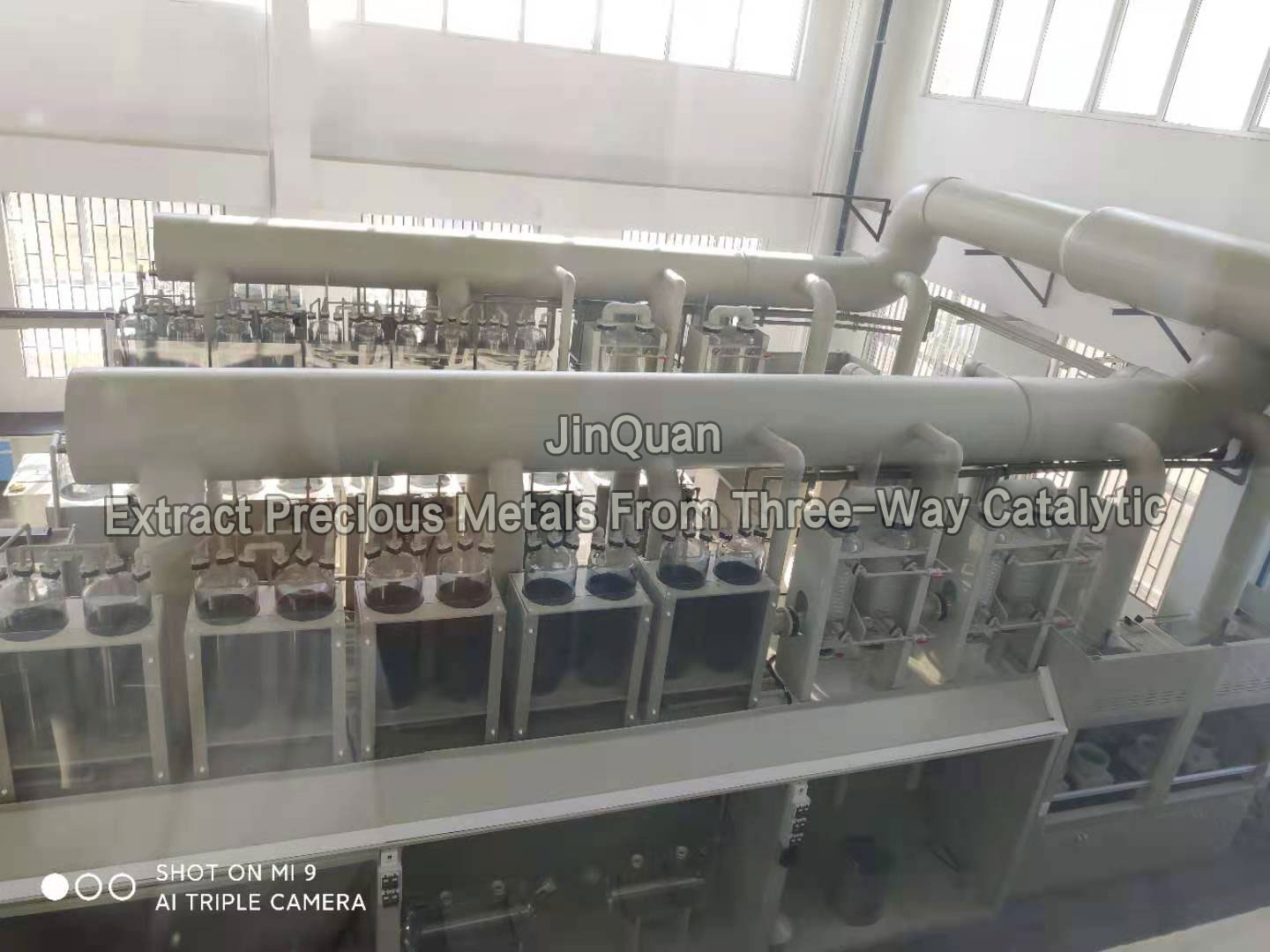 Recovering Platinum Group Metals
Methods for Recovering Platinum Group Metals from Used Catalysts
Recovering platinum group metals (PGMs) from used catalysts can be achieved through various methods, each offering its own set of advantages and challenges. Below is a summary of these methods along with key considerations:
High-Temperature Volatilization Method:This method involves controlled high temperatures to vaporize PGMs in their oxidized or chlorinated forms. Specialized equipment, such as absorbing devices, is used to collect the volatile metals. Challenges include the need for precise temperature control and potential costs associated with this equipment.
Carrier Dissolution Method:Strong acids (e.g., HCl, H₂SO₄) or bases (e.g., NaOH) are used to dissolve aluminum oxide carriers, leaving PGMs in sludge. While straightforward, this method may leave residual metals requiring further processing.
Selective Dissolution Method:Solvents are employed to selectively dissolve PGMs without fully dissolving aluminum oxide. This approach holds promise for selective extraction, though the effectiveness and reusability of the solvents require verification.
Full Dissolution Method:Involves completely dissolving both carriers and PGMs into a solution, followed by leaching or ion exchange to recover the metals. While efficient, this method may lead to contamination if not handled properly.
Furnace Melting Method:Metals are separated based on their melting points under high-temperature conditions. PGMs typically have higher melting points than aluminum, aiding in their separation. This method requires careful temperature control for complete recovery.
Burning Method:Specifically tailored for carbon-containing catalysts, this method burns the used catalyst to produce slag, which is then leached using water or hydrochloric acid to extract PGMs. Less energy-intensive but may not be suitable for all catalysts.
Considerations:Integration: Each method may necessitate preprocessing and combination with others for complex catalysts.
Cost-effectiveness: Methods like full dissolution or selective dissolution may have higher upfront costs but offer efficiency in recovery.
Scalability: We need to assess which methods can handle large volumes without losing efficiency.
Environmental Impact: Evaluating toxic byproducts and waste streams for sustainable disposal is crucial.
Conclusion:An optimal approach likely involves a tailored combination of techniques suited to the specific nature of the used catalyst. Further research and development are essential to enhance efficiency and sustainability in PGM recovery processes.