-
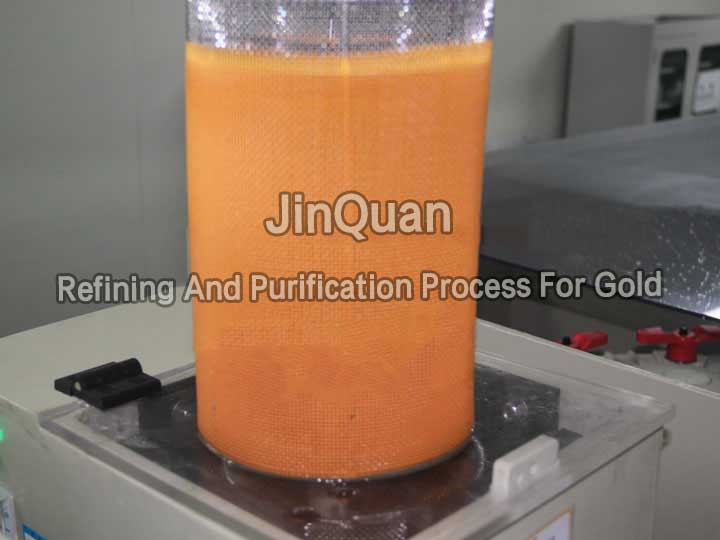 recovery gold from gold-bearing solutions
The primary methods used to recover gold from gold-bearing solutions include the following:
Precipitation Method: Commonly employed due to its simplicity and relatively low cost.
Electroplating Method: Widely studied, with cyanide-based, thiosulfate-based, and iodide-based solutions being prominent in electroplating research.
Activated Carbon Adsorption Method: Utilizes activated carbon to adsorb gold from the solution.
Leverage Solvent Extraction Method: Involves using a solvent to selectively retain gold values while allowing other elements to remain in solution.
Ion Exchange Method: Utilizes ion exchange resin to separate gold from other ions in the solution.
The electroplating method has been extensively studied due to its efficiency in recovering gold, especially when dealing with cyanide-based (e.g., KCN), thiiosulfate-based (e.g., Na₂S₂O₃), and iodide-based (e.g., KI) solutions. However, the recovery of gold from low-concentration or multi-ion-containing solutions using electroplating methods often results in poor recovery rates.
The rotating electrolysis method (tangential flow filtration, TFF) addresses issues such as concentration polarization by means of high-speed liquid flow to mitigate adverse factors affecting electrodeposition. This method is effective for solutions with low concentrations of target metal and where the concentration ratio between target and non-target metals is relatively small, particularly in multi-metal systems.
This technique has been applied successfully to the extraction of precious metals such as tantalum, niobium, gold, and silver. However, there are currently no published studies on its application for recovering gold from low-concentration solutions using this method. Therefore, the research presented here investigates the feasibility of employing the rotating electrolysis method to recover gold from a specially prepared low-concentration gold solution, aiming to provide an additional method for gold recovery in such contexts.
-
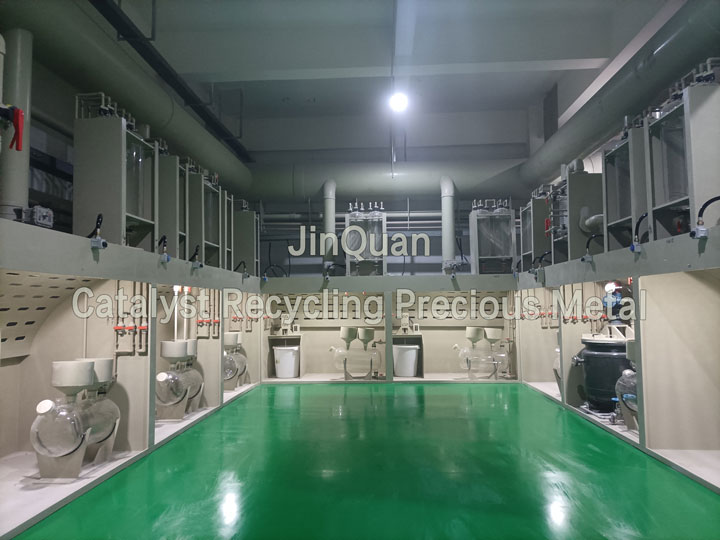 Hydrochloric Acid Leaching
Hydrochloric Acid Leaching, Purification, and Reduction Refining Technology for Niobium Chloride
The current method of refining niobium involves the following main steps:
a. Acid leaching of niobium: Typically results in soluble niobic acid (e.g., HNO₃·nH₂O).
b. Precipitation as niobium chloride: The formation of NbCl₅ or other niobium chloride compounds.
c. Purification: Removal of impurities from niobium chloride.
d. Reduction: Use of a reducing agent to convert the niobium chloride into pure niobium. Hydrochloric acid (HCl) is commonly used for dissolving niobium, while sodium hydroxide (NaOH) solution can also be employed to directly obtain niobium chloride.The purified niobium chloride is cleaned using hot water or ammonia (NH₃) in a repeated washing process to eliminate impurities. Common reducing agents used include active metals, glutaric acid, sodium sulfide (Na₂S), vitamin C (ascorbic acid), and thiourea, among others. The selection of these reducing agents depends on factors such as cost-effectiveness and the strength of their reducing properties.
The reduction process for niobium chloride is a critical step in the overall refining procedure.
-
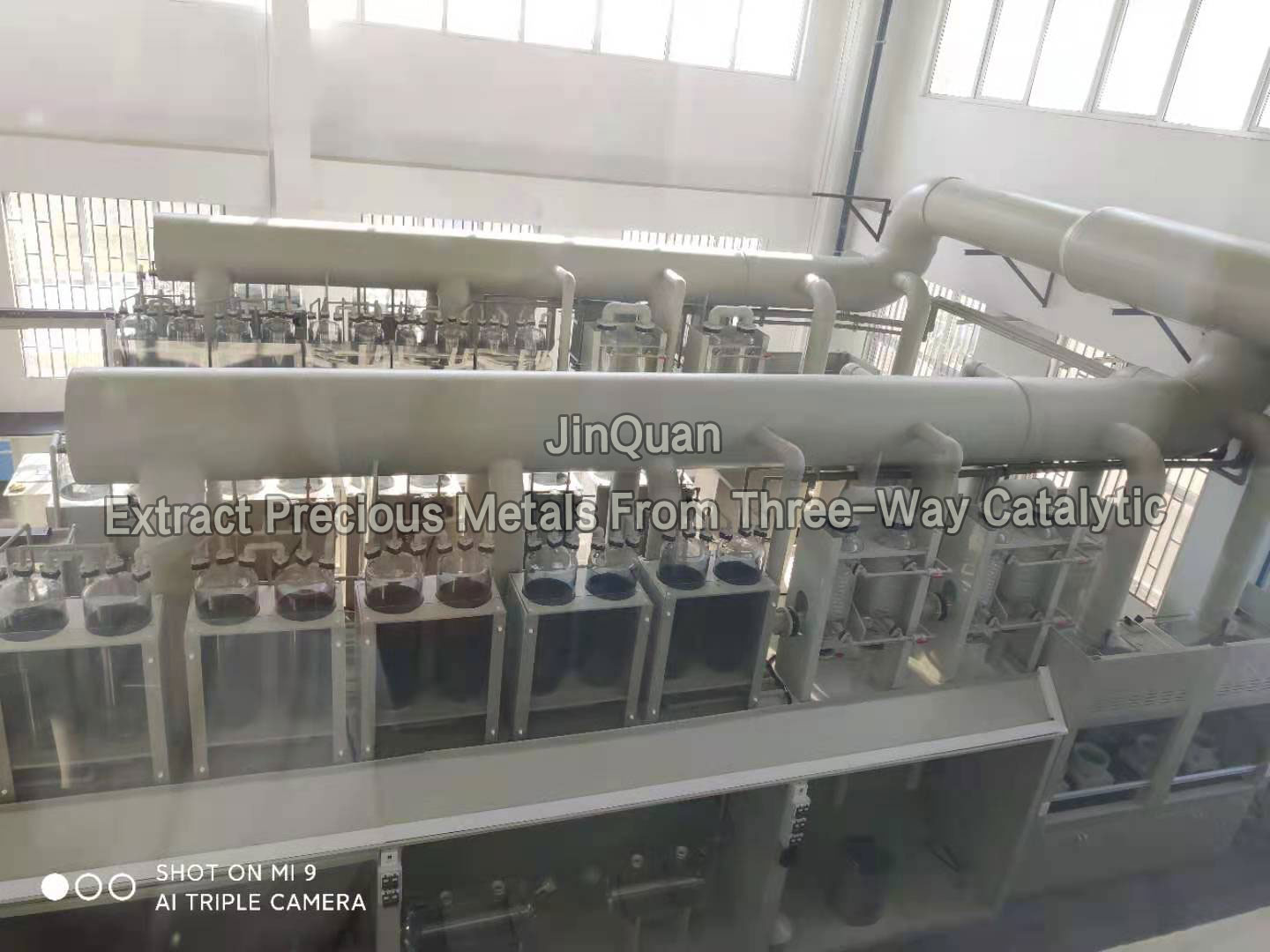 The recovery of platinum group metals (PGMs)
The recovery of platinum group metals (PGMs) from used catalysts can be achieved through various methods, each with its own set of advantages and challenges. Below is a concise summary of the key points and considerations:
High-Temperature Volatilization Method:
Effective for PGMs that oxidize or chlorinate at controlled high temperatures.
Requires specialized absorbing devices to collect volatile metals.
Challenging due to temperature control needs and potential equipment costs.
Carrier Dissolution Method:
Uses strong acids (e.g., HCl, H2SO4) or liquid bases (e.g., NaOH) to dissolve aluminum oxide carriers, leaving PGMs in sludge.
Straightforward but may leave residual metals that require further processing.
Selective Dissolution Method:
Utilizes solvents that selectively dissolve PGMs without fully dissolving aluminum oxide.
Promising for selective extraction but effectiveness and reusability need verification.
Full Dissolution Method:
Involves complete dissolution of both carriers and PGMs, followed by leaching or ion exchange.
Efficient but may lead to contamination if not handled properly.
Furnace Melting Method:
Separates metals based on their melting points in high-temperature conditions.
PGMs typically have higher melting points than aluminum, aiding separation.
Requires careful temperature control for complete recovery.
Burning Method:
Specifically tailored for carbon-containing carriers.
Produces "calcined sand" which can be leached using NaOH solution or HCl solution.
Less energy-intensive but may not be suitable for all catalysts.
Considerations:
Integration: Each method may need preprocessing and combination with others for complex catalysts.
Cost-effectiveness: Methods like Full Dissolution or Selective Dissolution may have higher upfront costs but offer efficiency in recovery.
Scalability: Assessment is needed to determine which methods can handle large volumes without losing efficiency.
Environmental Impact: Evaluation of toxic byproducts and waste streams for sustainable disposal is crucial.
In conclusion, an optimal approach likely involves a tailored combination of techniques suited to the specific nature of the used catalysts. Further research and development are essential to enhance efficiency and sustainability in PGM recovery processes.
-
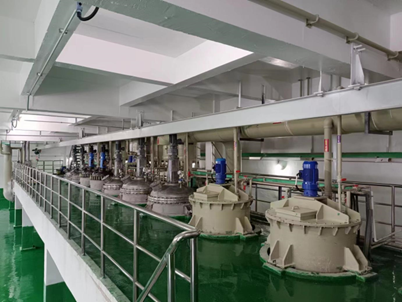 Wet Metallurgical Technology
Wet Metallurgical Technology:
This wet metallurgical technology is characterized by its flexibility and efficiency. The process for treating electronic waste flows involves placing pre-treated e-waste into an acidic or alkaline solution to react. After the reaction, the solution undergoes separation and deep purification to remove impurities. It then utilizes solvents for leaching, adsorption, or ion exchange. Metals are concentrated through concentration and ultimately recovered via electroplating, chemical reduction, or crystallization methods. -
Platinum Group Metals Wet Recycling Technology
Platinum Group Metals Wet Recycling Technology:
The wet recycling of platinum group metals (PGMs) refers to the use of chemical reagents to dissolve PG-containing waste materials, converting the PGMs into chelate ion forms.
This is followed by processes such as ion exchange, leaching, precipitation, and filtration to concentrate and purify the PGMs. The method primarily involves cyanide-based and acid-oxidizer based approaches.
-
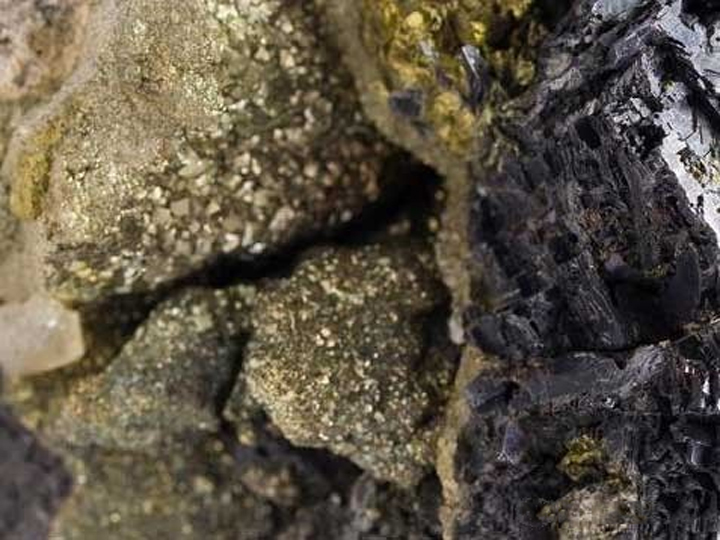 Difficult-to-Treat Gold Mines' BioHeap Leaching
Difficult-to-Treat Gold Mines' BioHeap Leaching Pre-Oxidation Method:
The difficult-to-treat gold mine bioheap leaching pre-oxidation method includes the following steps:
1)After crushing the original ore, heap it and perform spray leaching on the poorly recoverable, difficult-to-treat gold mine. Keep the temperature of the leaching solution above 45℃;
2)When the pH of the leaching solution is below 1.5, neutralize the solution to adjust its pH to between 1.5 and 1.9;
3)After neutralization, transfer the adjusted leaching solution to the biofixed bed. The acidophilic bacteria in the fixed bed adsorb and oxidize ferrous ions. Once the solution's reduction potential exceeds 850mV, a high-potential oxidation solution is obtained;
4)The high-potential oxidation solution obtained from step 3 is recycled for use in step 1 until the ore pre-oxidation is complete.
This method is simple and easy to control in terms of process parameters. It effectively promotes the dissolution of large amounts of pyrite, improves oxidation efficiency, and reduces production costs.
-
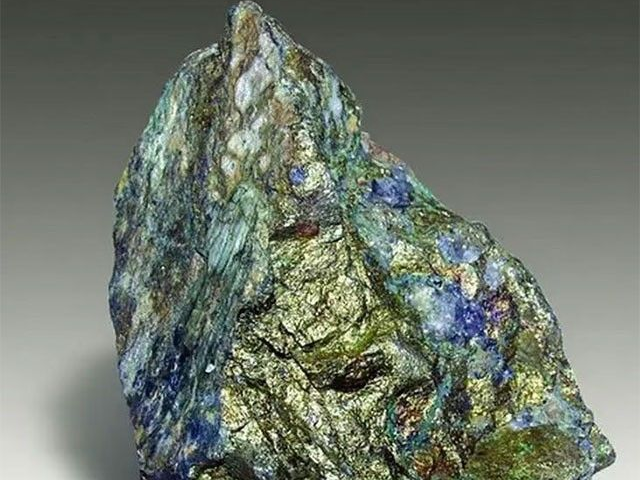 Method for Extracting Gold from Copper Oxidized Ore
Method for Extracting Gold from Copper Oxidized Ore:
This method, belonging to wet metallurgical technology, involves breaking down and classifying copper oxidized ore into fragments.It then undergoes alkaline treatment, followed by the addition of certain proportions of thiourea and cyanide. This process achieves inhibition of copper dissolution while promoting selective gold dissolution.
Finally, the elution solution uses conventional activated carbon to adsorb and extract gold.
This method has high gold recovery rates, low reagent consumption, and a low cost, making it easy to industrialize with good economic benefits.
-
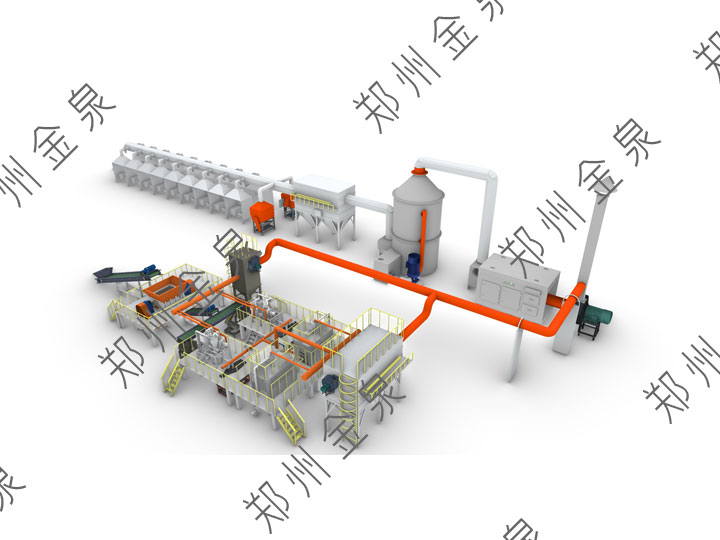 Regenerated Copper in a Single-Step Process
The Comprehensive Utilization of Regenerated Copper in a Single-Step Process:
In this single-step process, regenerated copper is directly used in the smelting furnace to melt into copper solution—after oxidation-reduction refining melting, obtain high-performance copper solution—cast into copper electrolytic sheets;
Electrorefining Process: Electrorefining of copper cathodes—1st stage cathode copper and precious metal copper slag;
Recycling of Copper Slag: Copper slag is oxidized and roasted—divided into copper (copper solution goes to the copper electrorefining room for recycling)—divided into gold (reduced to raw gold)—divided into silver (silver is reduced to raw silver)
The energy consumption of regenerated copper is approximately 0.8-1.2 kilograms of standard coal per ton of copper, while that of native copper is about 2.5-3 kilograms of standard coal per ton of copper; the CO₂ emission of regenerated copper is only 30%-40% that of native copper, with significant advantages.
-
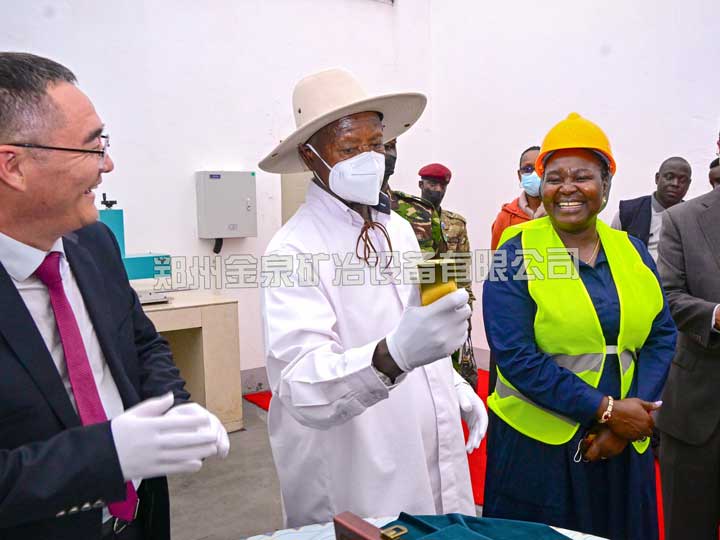 Extracting Gold from Difficult-to-Leach Ores
The Method of Simultaneous Leaching with Chloride-Oxidized Complex for Extracting Gold from Difficult-to-Leach Ores: This method falls under wet metallurgical techniques.
First, the ore is shattered into particles and mixed with sodium hydroxide (NaOH), sodium hypochlorite (NaClO), and water to form a slurry. Air is then introduced into the slurry under stirring conditions to enhance leaching efficiency through ultrasonic assistance.
During the enhanced leaching process, hydrogen peroxide (H2O2) is periodically added. The cooperative effect between NaOH and hydrogen peroxide significantly enhances the oxidation-reduction reaction, enabling faster gold extraction while minimizing reagent costs. This method achieves a gold leaching rate of over 98%, eliminates potential environmental impacts from sodium hypochlorite, and shortens the overall leaching process in a single step.