-
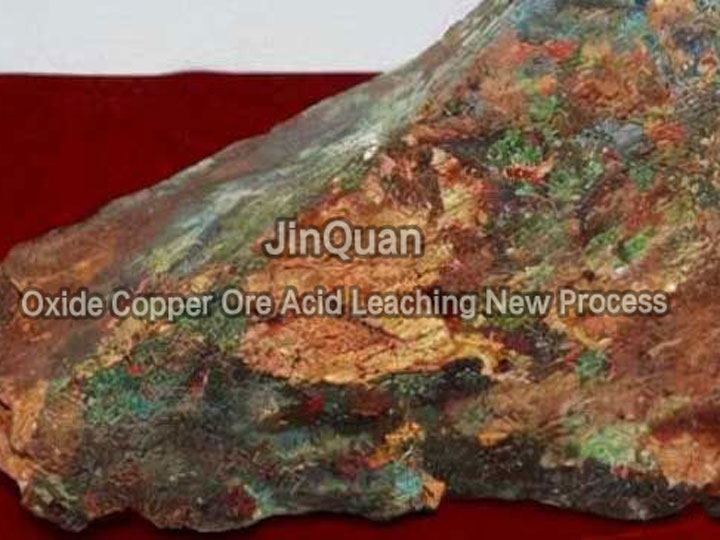 leaching method and process for secondary sulfide copper ore
Gas filled infiltration heap leaching method and process for secondary sulfide copper ore:
The secondary sulfide copper ore infiltration heap leaching method involves first laying an anti-seepage layer between the bottom pad and the retaining wall of the yard, then laying a collection pipe and a gravel layer, and finally laying an inflation pipeline and building the ore heap. The copper is extracted by leaching. The present invention embeds inflation pipelines in the process of building high clay ore piles, and efficiently introduces air into the interior of the yard through the inflation pipelines, thereby ensuring sufficient air inside the ore heap.
At the same time, through the infiltration leaching method, high clay ore is immersed in the leaching solution for a long time, allowing the leaching solution, air, and high clay ore to fully contact each other for a long time, thereby ensuring efficient ore leaching. This allows high clay secondary sulfide copper ore to be produced using heap leaching, improving the utilization efficiency of copper resources.
-
Acid Heap Leaching for Oxidized Copper Ores
The Method of Acid Heap Leaching for Oxidized Copper Ores
After the crushed and screened copper ore is sorted, the oversize material undergoes standard acid heap leaching. The undersize material is concentrated, thickened, and pelletized before being restacked for further leaching.
The solution rich in copper ions is extracted using solvent electrocoagulation to produce marketable cathode copper. After concentrating the undersize material, a binder is added to form slurry. The slurry is mixed with pre-prepared 5mm-25mm diameter acid-resistant crushed stone to form pellets for stacking on the heap.
During pelletizing and leaching operations, the pellet stack height is 3~5 meters, the dilute sulfuric acid concentration in the solution is between 0.1~2mol/L, the spraying intensity is 0.2-0.5 L/min, and each leaching cycle lasts for 1-2 months. This method effectively utilizes previously underutilized clay-containing copper ores with high mudstone-forming potential, thereby improving mining's overall utilization rate, reducing costs, and increasing profits.
Especially suitable for application in regions throughout China, particularly the copper ore-rich but challenging areas such as western high plateaus where oxidized copper ores are predominant.
-
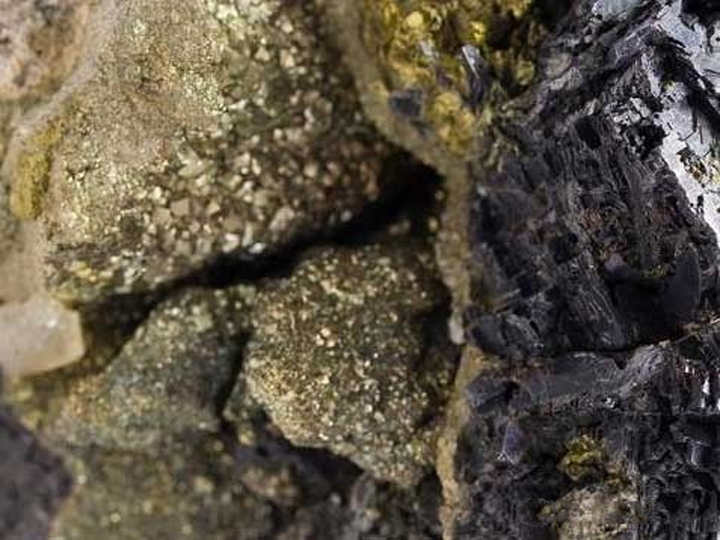 A rapid leaching method for gold ore
A rapid leaching method for gold ore is employed, which involves breaking and grinding the gold ore to increase its surface area. The ore is then mixed with bromide salts, iron salts, and acid to form a leaching solution. Under ambient temperature and pressure conditions, this mixture is agitated for 10 to 20 minutes at a speed of 100 to 800 rpm. After agitation, the mixture is filtered to separate the residue from the leachate. The residue is washed, and the conventional method is used to recover gold from the filtered leachate.
This method allows for rapid gold extraction within a short time frame, typically achieving a leaching rate of over 90%. The process operates under normal temperature and pressure conditions, making it a straightforward production technique. It offers several advantages, including high efficiency, wide applicability to difficult-to-process ores such as high-sulfur, high-arsenic, and carbonaceous gold ores, and minimal environmental impact due to the absence of sulfur dioxide and oxidized arsenic emissions. Additionally, the reagents used are non-toxic.
-
 Treating Mixed Gold Mines
The Method for Treating Mixed Gold Mines with Flotation and Middle Ore Leaching Technology:
The method of treating mixed gold mines using the flotation combined with middle ore leaching technology involves the field of gold mining.
After combining the middling mineral waste residue and tailings, the cyanide content is significantly reduced, meeting national solid waste discharge standards and fulfilling the conditions for underground backfilling, eliminating potential safety hazards to downstream areas caused by tailings storage, improving the recovery rate of the mining operation, and having certain economic, environmental, and safety benefits. This method is suitable for widespread promotion and application.
-
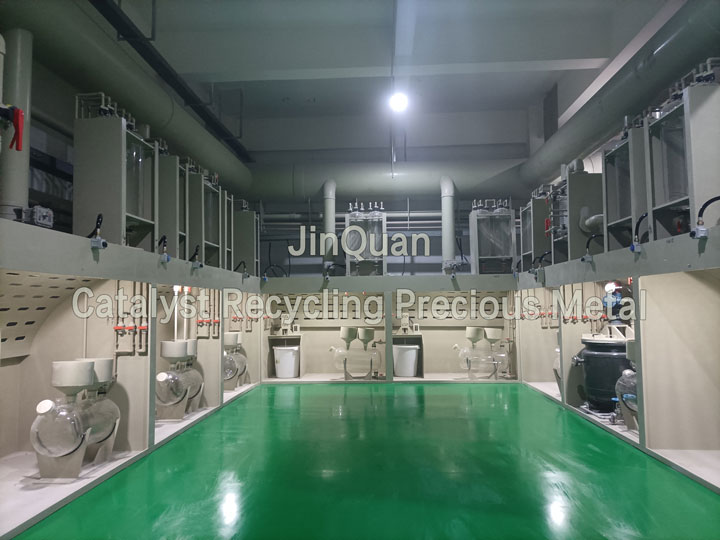 extracting valuable metals from catalysts
Waste catalyst recycling and utilization methods should be selected based on factors such as the composition, amount, types of carriers, the value, recovery rate of the recovered materials, as well as the company's equipment technology capabilities and recycling costs. The main methods for extracting valuable metals from copper-containing waste catalysts are dry methods, wet methods, and combined dry-wet methods.
1、Dry Method: Generally, waste catalysts are mixed with reducing agents and fluxing agents, placed in a roasting furnace, and heated to melt the metal components through reduction or melting. The metal or alloy is then recovered for reuse as either an alloy or raw material, while the carrier combines with the fluxing agent to form slag, which is disposed of. Common dry methods include oxidative roasting, sublimation, and chloride volatility.
2、Wet Method: Use acids, bases, or other solvents to dissolve the main components of industrial waste catalysts. The filtrate is purified and separated to obtain insoluble sulfides or metal hydroxides. After drying, further processing is carried out as needed to produce final products.
3、Combined Dry-Wet Method: Tantalum catalysts with carbon as the carrier are difficult to dissolve directly due to the strong adsorption capacity of carbon. This method does not yield ideal results regardless of the approach used.
-
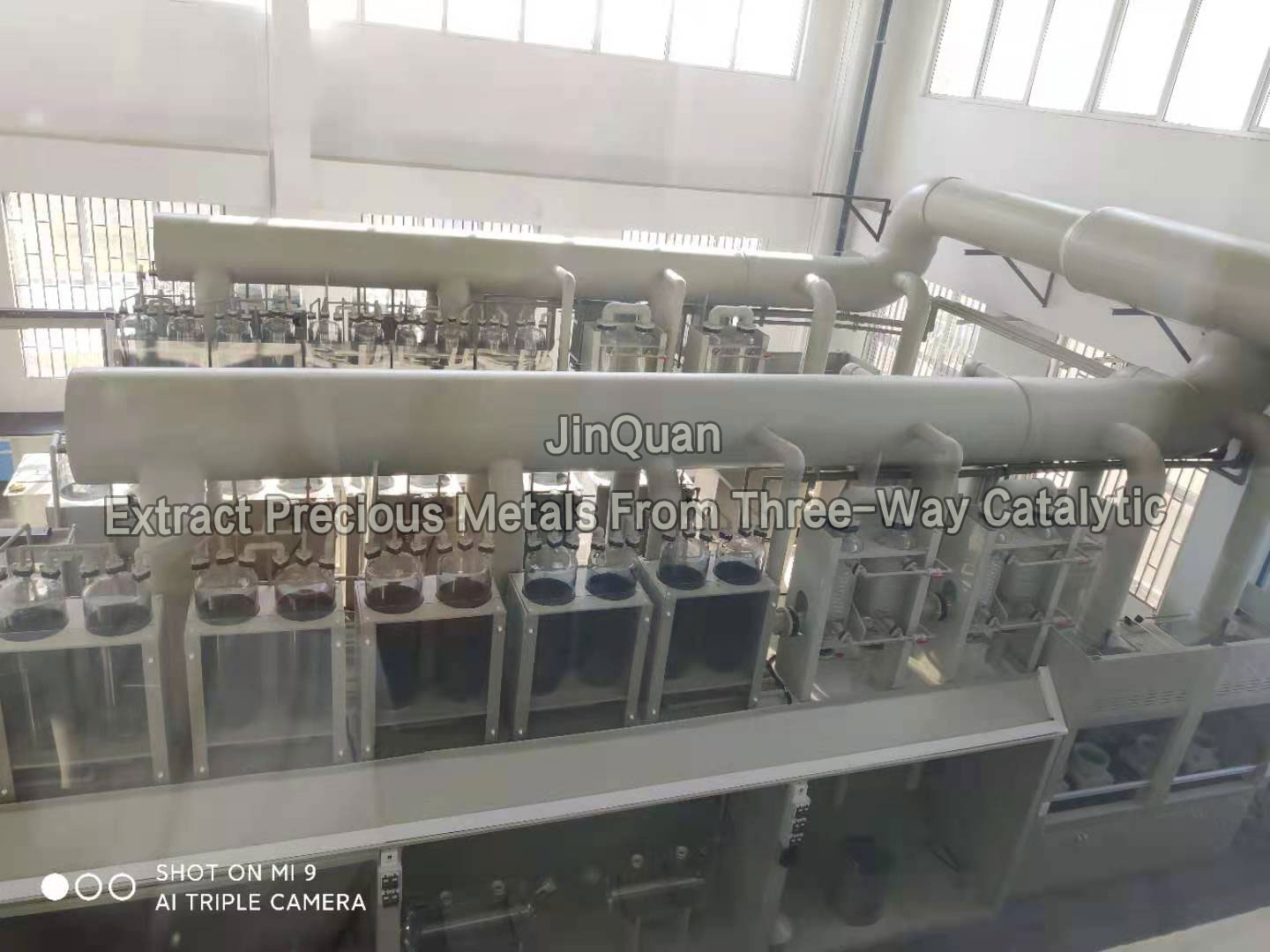 How to extract rhodium gold from rhodium slag
How to extract rhodium gold from rhodium slag?
Rhodium slag is a substance composed of a mixture of platinum group metals and other metals. The component is rhodium, which is a rare metal and expensive. Rhodium slag is usually extracted from waste materials, so refining rhodium requires multiple steps of fine chemical treatment.
Here are some commonly used methods for extracting rhodium:
1. Hot water extraction method: This is a simple and effective method for extracting rhodium gold. Add rhodium slag to hot water, and then add sodium carbonate. This will cause the rhodium in the rhodium slag to dissolve in water. Then filter the water to remove impurities. Extract rhodium from water using chemicals.
2. Dissolution method: This method requires the use of strong acids, such as nitric acid or chloride acid, to dissolve the metals in rhodium slag. Then, rhodium is separated through reaction and precipitation. This method requires a certain level of chemical knowledge and skills, so it is recommended to operate it in a chemical laboratory.
3. Hydrogen reduction method: This method requires the use of hydrogen gas under high temperature and pressure to reduce rhodium in rhodium slag to metallic rhodium. This method requires certain skills and equipment, so it is only suitable for operation in chemical laboratories.
-
 The direct electrolysis of copper sulfide ores
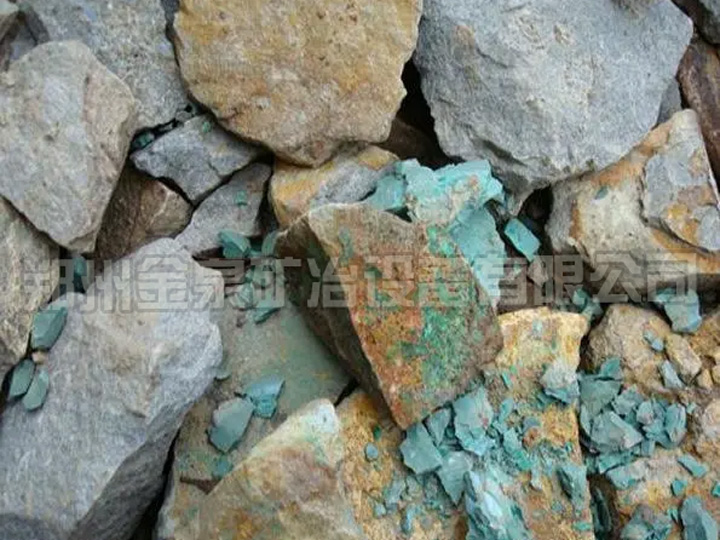
The direct electrolysis of copper sulfide ores is a method within the fields of chemistry and metallurgy. Its characteristic feature lies in the use of reduced copper chloride solutions for leaching copper ores at the anode zone, while copper deposits are simultaneously electrodeposited in the cathode zone to produce electrorefining copper that meets the GB466—82 standard.
This process can be carried out using flowable electrolytic cells, which are capable of handling single copper sulfide ores, complex copper ores, and copper sulfide ores with relatively high lead and zinc content. The production workflow is simple, with low overall energy consumption, no pollution, and ease of industrial implementation.
-
 Method for Recycling Palladium Rhodium Alloy
Method for Recycling Palladium Rhodium Alloy:
1. Solution adsorption method: The palladium rhodium wastewater is passed into multiple layers of solution adsorbers with different components for adsorption, selectively adsorbing pollutants and alkali metal ions, and finally obtaining a palladium rhodium mixture, which can be purified and recovered after further treatment. This method is low-cost and can greatly reduce ecological pollution.
2. Electrolysis method: palladium rhodium ions in waste are reduced to metal ions through electrode reactions, and then refined alloys that meet strict requirements are obtained through surface activation and metal deposition. This method can extract high-purity palladium rhodium alloys with a large processing capacity and can work continuously.
3. Horizontal furnace barite carbon reduction method: palladium rhodium waste is calcined to a certain temperature, mixed with suitable barite and carbon material, and reduced. The resulting melt mixture is extracted and separated under appropriate conditions to obtain a mixture containing palladium rhodium. This method has fast response, high output, simple process, and easy control.
-
rhodium refining process
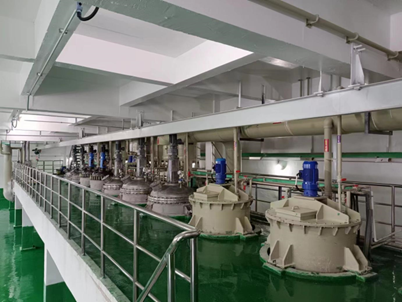
rhodium compounds are added to the reaction vessel, followed by King's solution for dissolution. After the reaction is complete, high-precision filters are used for filtration. The rhodium liquid is pumped back into the reaction vessel and treated with a base for water washing. After completion of the rhodium washing, high-precision filters are again employed for filtration. The rhodium wash residue is then added to the reaction vessel and acidified for dissolution. The filtered chlororhodium solution is transferred to a tank for concentration. Subsequently, it enters an off-centered extractor for rhodium extraction. The reverse extraction liquid undergoes reduction to yield rhodium powder, which is sent to a hydrogenation unit for further processing.
After extraction of rhodium, the waste water is treated with activated carbon and pumped into storage tanks for settling. Regularly, the sludge is removed through the settler unit for water replacement.
In the King's solution dissolution process, high-concentration nitrogen oxides are collected via a condenser and fed into a tower scrubber for absorption. Gases generated from the reaction vessel (both overhead and filter residues) are collected by a hood system and treated in the tower scrubber. Additionally, alkaline waste gases from rhodium washing and leaching exhaust fumes pass through the tower scrubber for final treatment before being released. The process ensures all emissions meet environmental standards and are discharged appropriately.