-
 Adsorption Separation and Extraction Method
Adsorption Separation and Extraction Method for Precious Metals
Adsorption separation is a separation and enrichment technique where an adsorbent captures one or more components from a mixture via exchange, physical adsorption, or chemical adsorption processes—driven by electrostatic interactions, van der Waals forces, or stronger chemical bonding. This enables the target component to be separated and concentrated from the mixture. After subsequent treatments, the target substance is detached from the adsorbent to facilitate accurate quantitative analysis in follow-up steps.
Compared with fire assay and coprecipitation methods, it has become an important separation and enrichment approach for precious metals due to its simplicity of operation, environmental friendliness, and low cost. Traditional adsorbents mainly include activated carbon and ion exchange resins, whose applications in precious metal separation are relatively well-established. This article focuses on introducing new adsorbents developed in recent years, which offer higher adsorption efficiency and better selectivity.
-
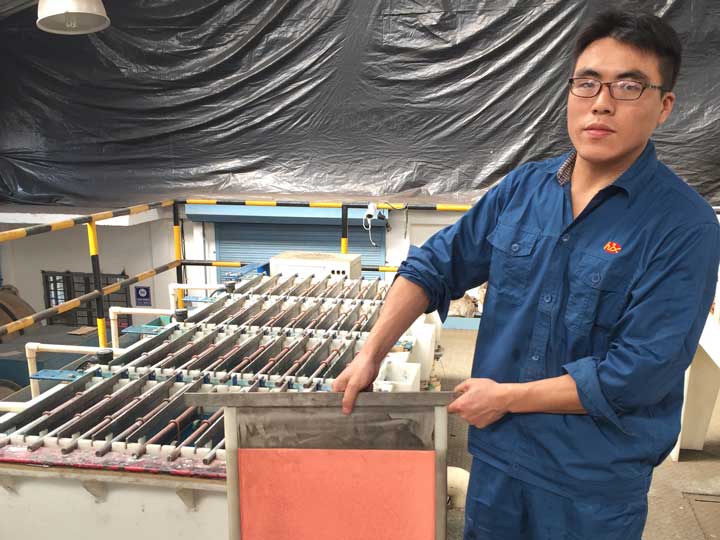 Extracting Copper from Copper Ore
Methods for Extracting Copper from Copper Ore:
There are pyrometallurgical and hydrometallurgical methods for extracting copper from copper ore. Pyrometallurgy is the main approach for copper smelting; currently, 80% of the world’s primary copper is produced via this method. Hydrometallurgy, by contrast, features low cost, low energy consumption, minimal pollution, and suitability for processing low-grade and refractory complex ores.
Glycine, an organic acid, is environmentally friendly. Experiments were conducted to study copper leaching from a low-grade copper ore in Tongling, Anhui using glycine, aiming to explore a green and economic pathway for the effective recovery of low-grade copper ore.
Under atmospheric pressure and alkaline conditions, the copper leaching rate from the Tongling ore reached over 93% with glycine, while iron was inhibited and barely leached—achieving excellent separation of copper and iron. Glycine is non-toxic, pollution-free, and eco-friendly. This method can support the effective utilization of copper ore resources with low grade and high iron content.
-
 Gold-Silver Separation and Purification Methods
1、Gold Electrolysis for Gold-Silver Separation:Suitable for gold-silver alloys with gold content >90%. Pure gold of 99.95%~99.996% purity is obtained via gold electrolysis. Silver is converted into silver chloride and collected in the anode bag, realizing gold-silver separation.
2、Gold Electrochemical Dissolution Method:Essentially the same as electrolysis, except the cathode is enclosed in an ion-exchange membrane (or unglazed crucible). Cations cannot deposit at the cathode and instead enter the solution; silver chloride remains in the anode bag.
3、Silver Electrolysis for Gold-Silver Separation:Applicable to gold-silver alloys with silver content >75%, gold content 0~25%, and few other impurities. Silver powder with purity >99.95% is obtained through silver electrolysis. Gold is collected in the anode bag, achieving gold-silver separation.
-
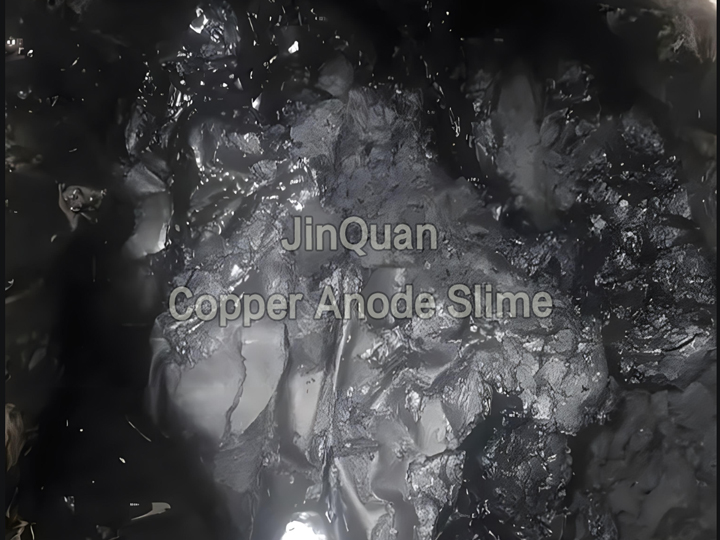 Main treatment methods for copper anode slime
Copper anode slime is an insoluble solid produced at the anode during the electrolytic refining of blister copper. Its yield generally accounts for about 0.2% to 1% of the mass of blister copper anode plates, and it usually contains high levels of precious metals. According to relevant data, more than 60% of China's gold and silver production comes from copper-lead electrolytic anode slimes. Therefore, anode slime is an important secondary raw material for extracting rare and precious metals, attracting much attention from resource recyclers.
Copper anode slime typically has a particle size of 100-200 mesh and appears gray-black or light gray, with a relatively complex phase composition. Approximately 70% of copper exists in metallic form, while the rest is in copper compounds; silver mainly exists in elemental and compound forms; gold is mostly in free state; and platinum group metals (PGMs) are primarily in metallic or alloy state.
Main treatment methods for copper anode slime: The general process involves "pretreatment → separation of valuable and base metals → recovery of base metals → extraction and separation of precious metals". Currently, three processes are applied to pretreated anode slimes both domestically and internationally:
1. Traditional pyrometallurgical-electrolytic treatment;
2. Hydrometallurgical treatment;
3. Combined mineral processing and metallurgical treatment.
-
Gold Ore Dressing Processes
The gold content in ore is extremely low. To extract gold, the ore must first be crushed and ground to fine particles, followed by ore dressing processes to pre-concentrate or separate gold from the raw ore.
1、Flotation:Flotation achieves mineral separation based on the differences in surface physicochemical properties of minerals. Treated with flotation reagents, target minerals will selectively adhere to air bubbles and be separated from gangue minerals.
2、Chemical Dressing for Gold Extraction:Chemical dressing separates and recovers valuable components from raw ore or middlings via chemical or physicochemical means, taking advantage of the variances in chemical properties between ore minerals and gangue minerals.
3、Heap Leaching Production Process:The gold heap leaching process features simple operation, low capital investment, high profitability and quick commissioning, thus experiencing rapid growth in recent decades.
-
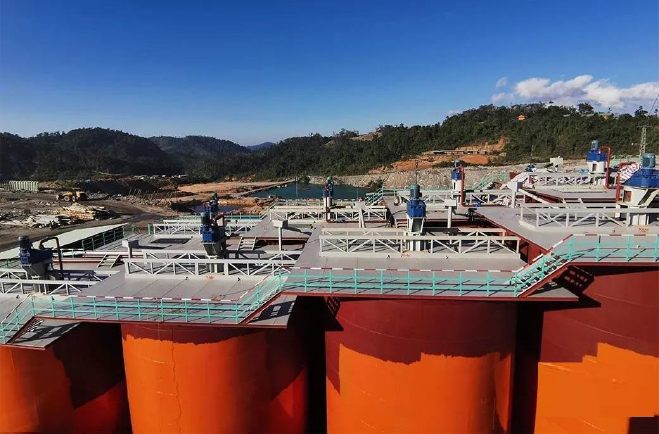 Solid-Liquid-Solid Hydrometallurgical Process
Solid-Liquid-Solid Hydrometallurgical Process for Dissolving Metals from Copper Sulfide Minerals and/or Concentrates
This is a solid-liquid-solid hydrometallurgical process that takes place under supersaturation conditions with the presence of hydrated and/or non-hydrated salts. It is achieved through deliberate and repeated cycles of drying and wetting steps, which intensify the chemical and physical phenomena on the minerals or concentrates, thereby triggering the crystallization, recrystallization, and release of copper during the non-stoichiometric decomposition of sulfides and the subsequent precipitation with chlorides.The process consists of three key steps:
1、Wetting
2、Drying and Supersaturation
3、Washing and Rewetting
All steps are conducted at temperatures ranging from 20 to 40 °C regardless of the redox potential. It minimizes water and acid consumption without requiring additional oxygen input.
This process enables reduced water and acid usage because sulfide conversion can occur solely in the presence of hydrated salts or with only minimal additions of acid and water. Moreover, it allows for less water consumption during agglomeration and/or agglomeration-curing steps. When hydrated salts are mixed with the minerals, the water molecules bound in hydrated salts pre-wet the ore particles, cutting down the amount of extra water that needs to be added during wetting, agglomeration and curing stages.
This process is also applicable to base metal sulfides including nickel, zinc, cobalt, lead, molybdenum and others, unaffected by the common impurities in sulfide minerals, such as the presence of arsenic.
-
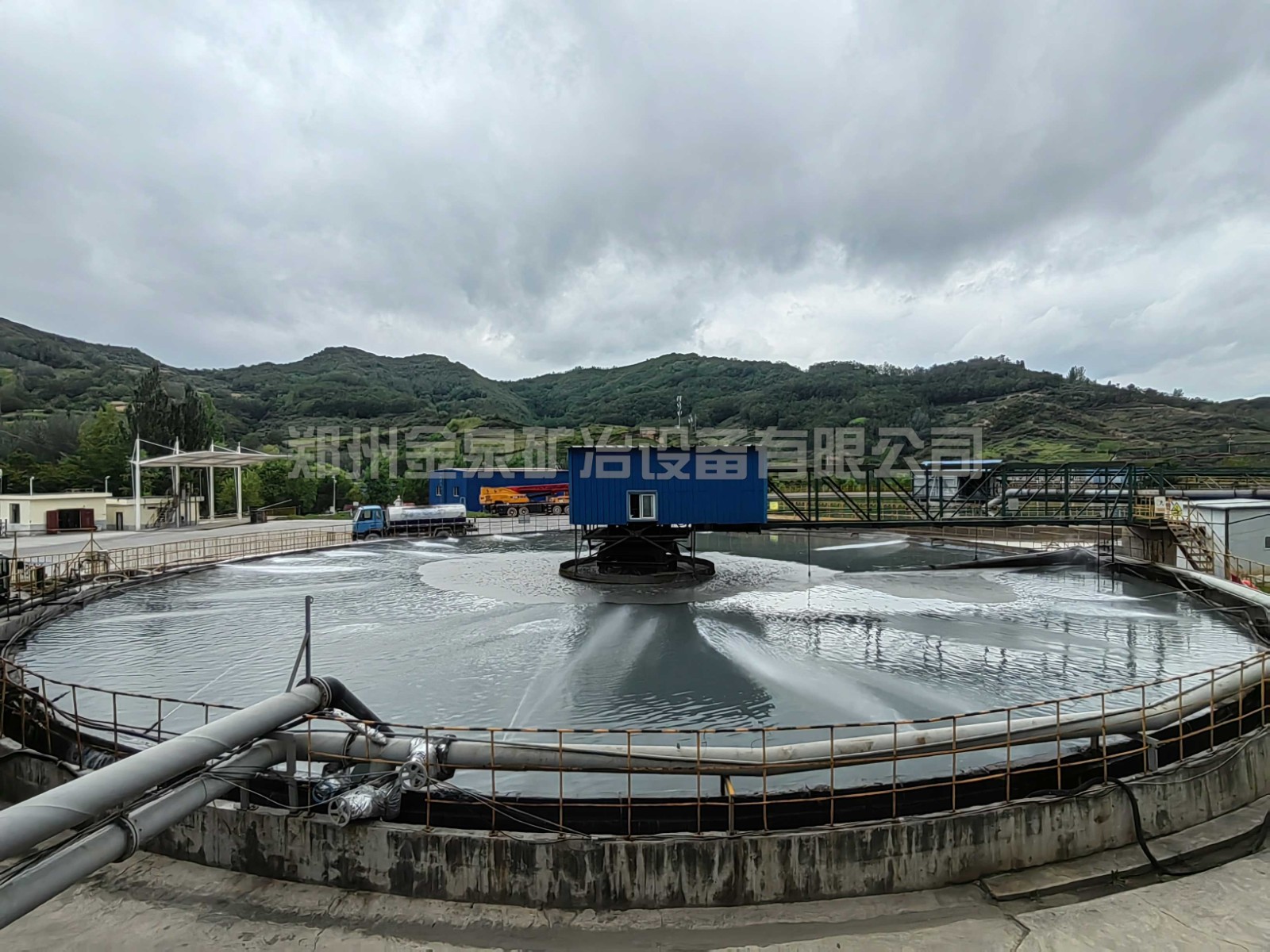 Recovering Gold and Copper
Method for Recovering Gold and Copper from Bioheap Leaching Tailings of Copper Ores
Medium Conversion:Medium conversion is carried out in sequence: The discarded bioheap leaching tailings of copper ores undergo three-stage medium conversion without unloading the heap. Mine-sourced alkaline wastewater supplemented with lime and sodium hydroxide solution is sprayed onto the heap, with the pH value of the effluent discharged from the heap bottom controlled to above 10.5, to obtain the discarded copper ore bioheap leaching tailings after medium conversion.
Cyanidation Spray Leaching:The medium-converted discarded copper ore bioheap leaching tailings are treated with four-stage cyanidation spray leaching using sodium cyanide solution to obtain the pregnant leach solution.
Copper Recovery via Oxidative Cyanide Destruction:A cyanide destruction agent is added for oxidative cyanide breakdown and copper removal. The slag slurry after cyanide destruction and copper removal is processed by thickening, sedimentation and solid-liquid separation to produce filtrate and copper concentrate as the finished product. The overflow and filtrate are mixed and then sent for activated carbon adsorption, yielding the barren adsorption solution and gold-loaded activated carbon as the finished product.
This method features low investment, short processing cycle and low cost. The gold content in the final tailings is less than 0.07 g/t, while the total copper recovery rate exceeds 35%. It can be scaled up into industrial production lines, with simple operation, strong adaptability and environmental friendliness, and is suitable for the comprehensive resource recovery of solid waste residues in the non-ferrous metallurgy industry.
-
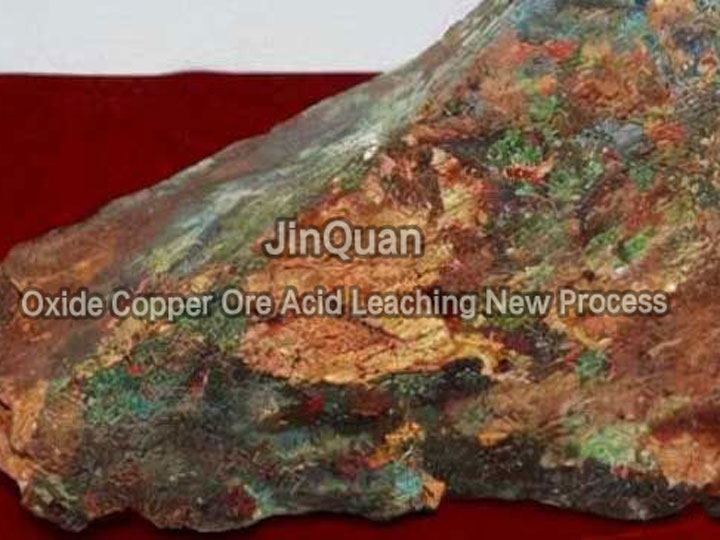 Copper Sulfide Ore to Produce Electrolytic Copper
Direct Electrolysis of Copper Sulfide Ore to Produce Electrolytic Copper
Direct electrolysis of various copper ores to produce electrolytic copper falls under the fields of chemistry and metallurgy. It is characterized by using the reduced solution in the anode region for electrochlorination leaching of copper ore, while simultaneously electrowinning first-grade electrolytic copper meeting the GB466-82 standard in the cathode region.
Fluidized electrolytic cells with special structures can handle single copper sulfide ores, complex copper ores, and polymetallic copper sulfide ores with high lead and zinc contents. This process boasts a simple production flow, low comprehensive energy consumption, no pollution, and ease of industrial implementation.
-
 Acid Heap Leaching Process for Copper Oxide Ore
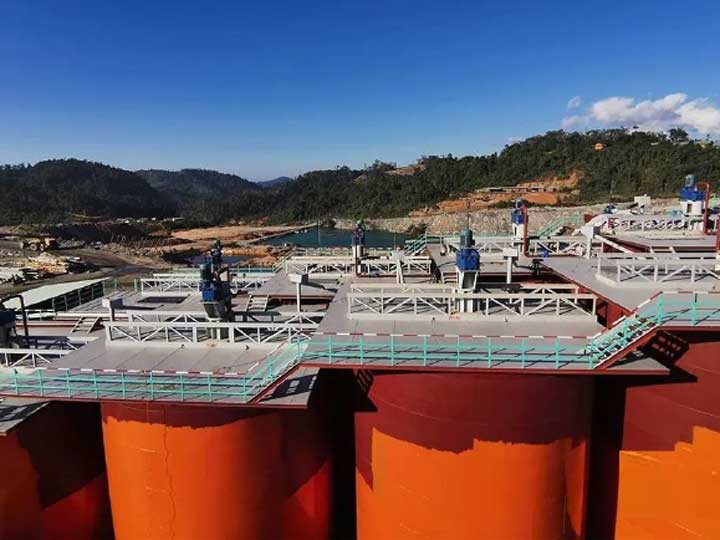
After crushing and screening of copper oxide ore, the oversize material undergoes conventional acid heap leaching operation, while the undersize material is subjected to concentration, slurry adjustment and granulation before heap construction and leaching. The leachate rich in copper ions is processed through solvent extraction, electrowinning and other procedures to obtain marketable cathode copper.
After concentrating the undersize material, a binder needs to be added for slurry adjustment. The adjusted slurry is mixed with pre-prepared acid-resistant crushed stones (particle size: 5mm-25mm) for granulation. During the granulated heap leaching process, the heap height ranges from 3 to 5 meters, the concentration of dilute sulfuric acid is 0.1 to 2 mol/L, and the leaching cycle lasts 1 to 2 months.
This process is particularly suitable for the development of refractory copper ore resources dominated by copper oxide ore in various regions of China, especially in the remote areas of the western plateau.